Skip to content
Call (909) 922-1329Licensed, insured and bonded · License #585047

Painting Contractor in Claremont, CA for Older Homes Under the Trees

Rancho Cucamonga Elite Painting is a trusted painting contractor in Claremont, CA and across Los Angeles County, specializing in wood siding repair, trim and eave painting, and full exterior repaints on older houses. We offer colour consultation within the city's earth-tone guidance and careful protection of mature landscaping.

  • Free on-site estimate
  • Written scope, coat by coat
  • Colors you approve first

Get a free painting estimate

Or call (909) 922-1329. Calls only, we do not receive text messages.

Painting in Claremont

Our team provides interior painting as well, delivering finishes that suit period rooms and stand up to shade and sun for both residential and commercial projects. Licensed, insured and bonded, we write a scope that names every board we will scrape, the primer for bare wood and the number of coats, and the crew that walks your house is the crew that paints it.

From feathering scraped edges on old lap siding to a whole exterior in the colours your block already wears, our team handles every detail. Serving Claremont and nearby Upland and Montclair, we put the start date and the expected length of the job on the written estimate.

Why Rancho Cucamonga Elite Painting

How We Work

No salesperson hands you to a stranger. The person who measures the job answers for it.

Written scopePrep, primer and finish coats listed surface by surface
Colors firstSamples on your wall, and association submittals prepared for review
One crewThe crew that quotes the job is the crew that paints it
CA License #585047Licensed, insured and bonded

Older houses near the Village

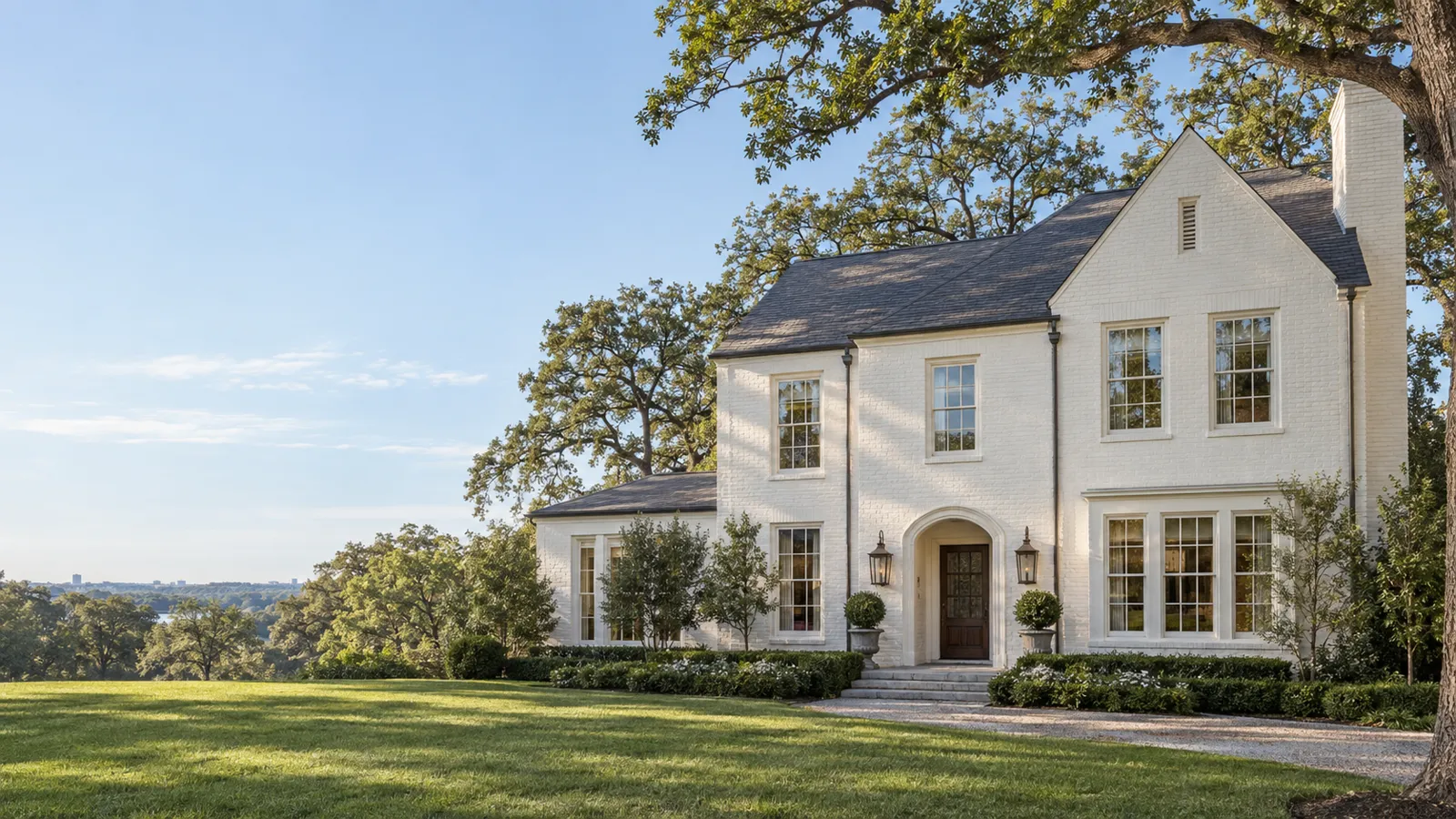
Claremont is one of the older towns in our service area, and the houses near the Village show it: painted wood siding, exposed rafter tails, porch posts and window trim that have been scraped and recoated many times over. Pomona College moved here in 1890, the street grid of numbered east to west streets and college-named north to south streets was set in 1902, and the city incorporated in 1907. A repaint on a house from those early decades is a wood job first and a paint job second. The city's own Architectural Design Guidelines name the neighborhoods that carry that age, from Old Claremont and Historic Claremont to Pilgrim Place and the Russian Village, and they ask for a restrained approach to old surfaces. That approach is also the sensible way to paint an old house.

Wood that needs repair before paint

The guidelines ask that deteriorated features be repaired rather than replaced, and that a replacement match the original in design, colour and texture. On a painting job that means dutchman patches, epoxy consolidation of soft sill ends and new boards milled to the old profile where a piece is past saving, all listed line by line in the written scope before a brush comes out.

Taking off only what is failing

Claremont's guidance says paint on wood should be removed only where it is damaged or deteriorated, down to the next sound layer, with full stripping kept for paint so built up that it hides the detail. We scrape and sand to that standard, prime the bare spots, and leave sound old paint in place as the base it already is.

Lead-safe practices on houses built before 1978

Almost every house near the Village predates 1978, the year the EPA's Renovation, Repair and Painting rule uses as its line. On those houses we treat old coatings as lead-containing unless a test says otherwise: plastic sheeting under every work area, misting before scraping, no open-flame burning or dry power sanding, and HEPA vacuum cleanup at the end of each day.

Tree canopy, shade and moisture

Claremont calls itself the City of Trees and PhDs, and it has held Tree City USA recognition for more than two decades running. The canopy is the reason a Claremont exterior is planned differently from a sunny tract house a few miles east: the job has to protect the trees, work around what they drop and allow for walls that never quite dry.

Protecting what grows around the house

Some of the American elms along Indian Hill Boulevard near Memorial Park have never met Dutch elm disease, and private lots hold their own old oaks, sycamores and citrus. We tie back branches rather than cut them, lay drop cloths over root zones instead of pinning tarps into the soil, and keep wash water and paint chips out of planting beds.

Walls that stay damp

A north wall under a thick canopy can stay cool and damp well into the day, which is where mildew grows and where paint over an unseen film of it lets go. We wash with a mildewcide, check the siding with a moisture meter before priming, and hold back on the shaded sides until the readings allow it.

Wind and leaf fall

The Santa Ana winds arrive in autumn, the same season the canopy begins to drop, and a gusty afternoon can throw leaves and grit onto a wet coat. On windy forecast days we move to sheltered walls or to interior rooms, and every finished elevation is checked for debris before the next coat goes on.

Color and review in older neighborhoods

Colour in Claremont is a neighbourhood decision as much as a personal one. The Architectural Design Guidelines describe earth tones as the predominant colours in the city, ask owners to avoid bright or primary colours, and suggest two or three body and trim colours with an accent for the trim on most traditional styles, with darker earth tones often carried across every element of a Craftsman house.

The city's historic preservation work applies citywide to properties listed on the local, state or national register. If your house is on one of those lists, check with the Planning Division before settling on a colour change; a repaint in the existing scheme is a different conversation from a new palette. We bring swatches that sit inside the guideline range and brush out large samples on your wall so the choice is made in real light, under your own trees.

What stays unpainted

The guidelines also say unpainted masonry and wood that was never meant to be painted should stay that way, with preservative on exposed beams and rafter tails that were traditionally left natural. Our scope names those surfaces as protect only, so a fieldstone chimney or a stained beam is masked rather than coated.

The Village, the colleges and rental buildings

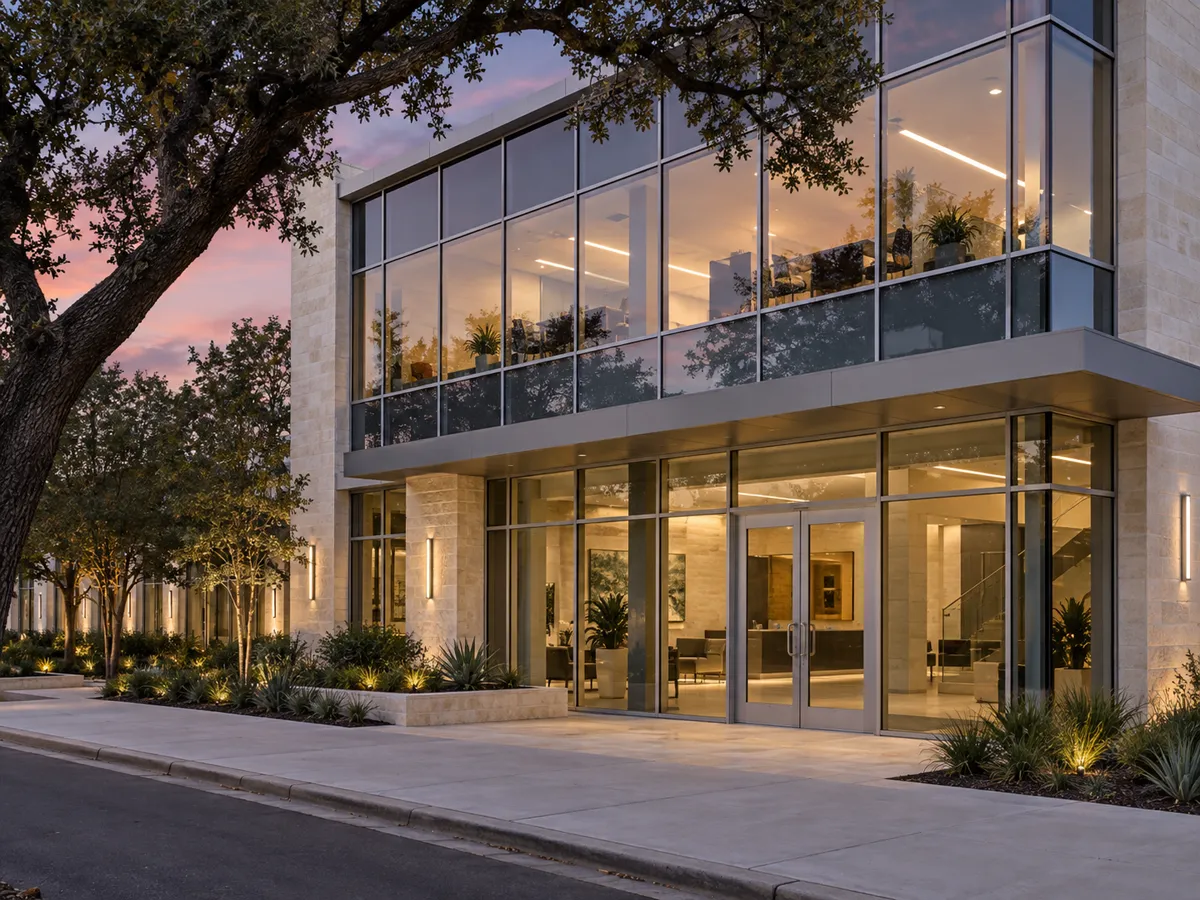
Beyond houses, Claremont has a working commercial core and a campus economy. The Village is a walkable district of shops, galleries and restaurants, expanded in 2007 with mixed-use buildings on the site of a former citrus packing plant, and the seven Claremont Colleges sit just north of it. A shop owner repainting a storefront, a landlord with a duplex near the campuses or a facility buyer planning a residence hall repaint each has a path here.

For that work we price from a walk or from drawings, submit product data for approval, and phase the job around business hours or the academic calendar. Send the address, a few photos or the plan set and we will come back with a written bid.

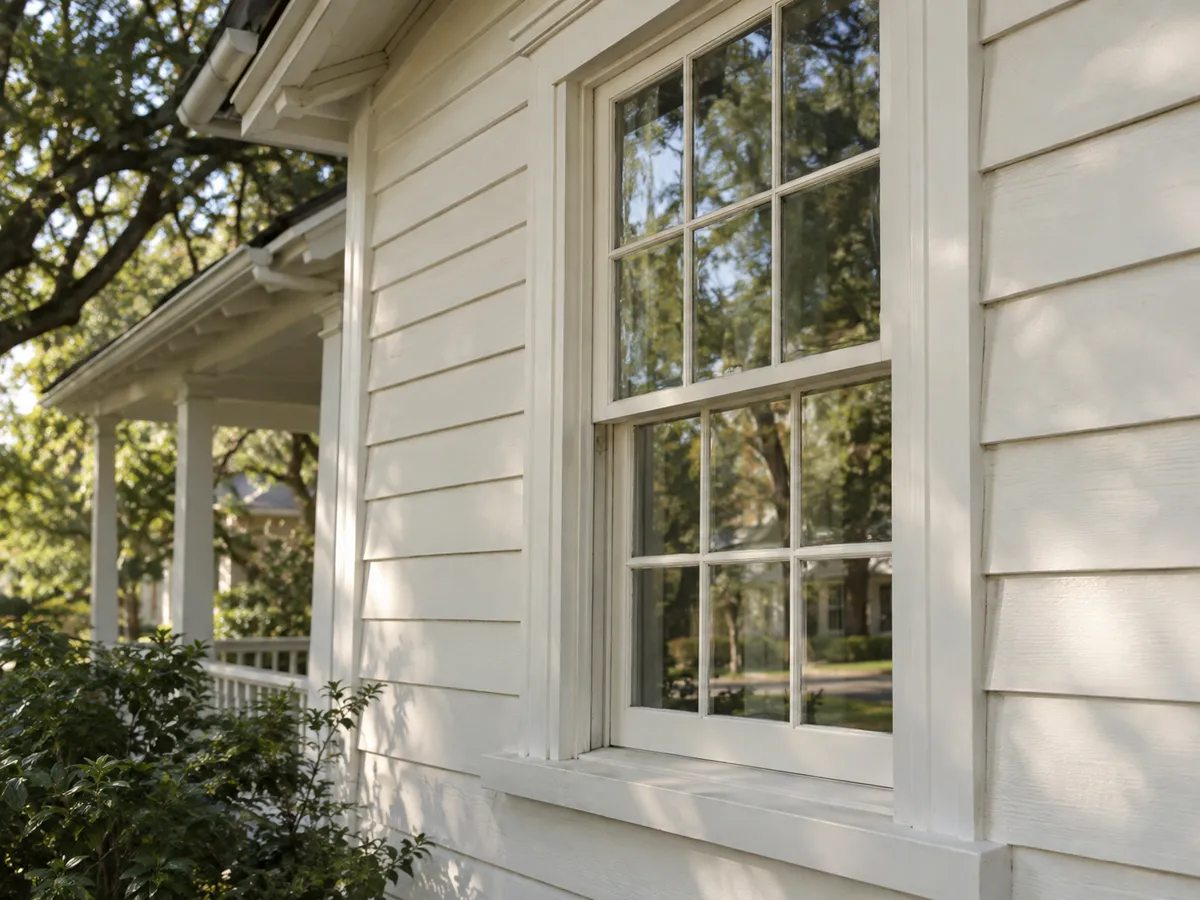
A restored white wood double-hung window with divided lites on a clapboard house

What painting in Claremont costs

An exterior repaint on an older Claremont house is typically estimated at roughly $6,000 to $18,000 for a two-story home with wood repair and heavy prep, and a full restoration repaint on a larger period house can reach an estimated $15,000 to $60,000. Trim and eave work alone on a sound house generally runs an estimated $1,000 to $3,000. These are industry ranges, not a quote for your house.

  • Wood repair: the number of soft boards, sills and rafter tails decides more than any other line.
  • Prep depth: spot scraping to the next sound layer costs less than stripping built-up trim.
  • Lead-safe setup: containment, misting and HEPA cleanup on pre-1978 houses add labour.
  • Canopy and access: branches to tie back, root zones to cover and walls reached only by ladder in tight side yards.
  • Colours: a two-colour scheme is quicker than a body, trim and accent scheme with a separate sash colour.
  • Interior rooms: plaster repair and wallpaper removal in older rooms move the number too.

Every figure above is an estimate and subject to change. Your final price is the one on the written quote we give you after walking the house and naming the prep, primer and coats.

The process

How a Claremont repaint runs

  1. Walk the house and the trees

    We look at the siding, the trim, the canopy and the side yards, and test any suspect paint on a pre-1978 house.

  2. Write the scope

    Repairs, prep standard, primer, colours and the number of coats go on paper, with the protect-only surfaces listed.

  3. Approve colour on the wall

    Large samples are brushed out in shade and in sun so you judge them where they will live.

  4. Protect, repair and prime

    Landscaping is covered, loose paint comes off to a sound edge and bare wood is primed the same day.

  5. Finish and walk through

    Coats go on elevation by elevation, and we walk the finished house with you and close out the punch list.

Colors and Finishes

Questions

Claremont Painting Questions

Do I need city approval to change my house colour in Claremont?

It depends on whether the house is listed. Claremont's preservation work applies to properties on the local, state or national register, so an owner of a listed house should confirm with the Planning Division before choosing a new palette. For an unlisted house the design guidelines are still a useful guide, and our samples are chosen to sit inside them.

Can you paint under large street trees without harming them?

Yes. Branches are tied back rather than cut, root zones are covered with breathable drop cloths and wash water is kept out of planting beds. If a limb actually needs pruning, that is a job for an arborist, and we will tell you before work starts.

My house was built before 1978. How do you handle the old paint?

We assume the old coatings may contain lead unless a test shows otherwise. That means sheeting under the work area, wet scraping, no open-flame burning or dry power sanding, and a HEPA vacuum cleanup each day, so chips never end up in the garden or the house.

Should old wood siding be stripped to bare wood before repainting?

Usually not. Sound old paint is a good base, and Claremont's own guidelines ask for removal only down to the next sound layer. Full stripping is reserved for trim where built-up coats hide the detail, and your written scope will say exactly which pieces that covers.

Will you paint my exposed beams and rafter tails?

Only if they were painted to begin with. Beams and rafter tails that were traditionally left natural should stay that way, so we list them as protect only and can apply a clear preservative instead of paint.

How much does it cost to paint an older house in Claremont?

A two-story repaint with wood repair is typically estimated at roughly $6,000 to $18,000, and larger period restorations run higher. Wood repair, lead-safe prep and access under the trees move the number most, and your written quote sets the final price.

Do you take commercial work in the Village or near the colleges?

Yes. Storefronts, small office buildings and multi-unit rentals are bid from a walk or from drawings, with product data submitted for approval and the schedule planned around business hours or the academic calendar.

Are estimates free in Claremont?

Yes. We walk the house, look at the trees and the surfaces, and leave you a written estimate with the prep, primer, number of coats, start date and expected length of the job.

Free on-site estimate

Talk to us about painting in Claremont

Homeowners get a free on-site estimate. Boards, managers and contractors can send a scope for a bid.

Call (909) 922-1329

Licensed, insured and bonded · License #585047. Calls only, we do not receive text messages.

Call (909) 922-1329Licensed, insured and bonded · License #585047