Windward walls
The elevations that take the brunt of the Santa Anas lose paint film fastest and collect the most embedded dust, so they get the most thorough washing and the closest look at adhesion.

Rancho Cucamonga Elite Painting is a specialist painting contractor in Fontana, CA for San Bernardino County properties, specializing in wind-exposed exterior repaints, elastomeric stucco coating and distribution building painting. We offer fascia painting and garage door refinishing.
Get a free painting estimate
Or call (909) 922-1329. Calls only, we do not receive text messages.
Our team provides pressure washing and dust-free surface prep, delivering coatings that bond to clean walls for both residential and commercial projects. Licensed, insured and bonded, the crew that walks your property checks adhesion on the old coating and writes the primer choice into the scope before anything is painted.
From tape-testing chalky stucco on a windward wall to a full repaint of a truck terminal, our team handles every detail. Serving Fontana with Rialto, Rancho Cucamonga and Ontario, we watch the wind forecast as closely as the calendar.
Why Rancho Cucamonga Elite Painting
No salesperson hands you to a stranger. The person who measures the job answers for it.
Fontana is one of the windiest places in the valley to paint, because strong, hot and dry Santa Ana winds blow through the nearby Cajon Pass from the Mojave Desert and across the city. Those winds form over the Great Basin and upper Mojave, arrive most often in autumn, and drop humidity to the lowest levels of the year, sometimes below 10 percent. Summer adds heat that often climbs past 100 degrees Fahrenheit. Each of those conditions shows up on a painted wall. Wind carries grit that sticks to wet paint. Very dry, hot air makes a coating set before a roller pass can blend into the last one, which leaves lap marks. Spray on a gusty day drifts onto cars, roofs and the house next door. So the job plan in Fontana answers three questions before a start date is set: which walls face the wind, which face the afternoon sun, and what the forecast says for the week.
The elevations that take the brunt of the Santa Anas lose paint film fastest and collect the most embedded dust, so they get the most thorough washing and the closest look at adhesion.
South and west walls chalk first. Chalk is rinsed and tested, and a bonding primer goes on where the old film is powdery.
Spraying is saved for calm conditions. On windy days the crew brushes and rolls or moves to the sheltered side of the building.
North Fontana is where the city's newer houses are, because much of Fontana's growth came from large residential developments in the once sparsely populated north, plus the annexation of unincorporated land in 2006 and 2007. The Arboretum Specific Plan alone covers 531.3 acres in the north of the city and allows up to 3,526 homes, with the plan amended in June 2021.
Most of these houses are stucco with painted fascia, garage doors and block or stucco walls, and many are reaching their first full exterior repaint. On a first repaint the original builder coat is usually thin, so the choice is between a standard exterior acrylic and an elastomeric coating that bridges hairline stucco cracks. We explain both on your walls, with samples, and write the chosen system into the scope.
If your street has an association, ask for its approved palette before you pick colors, and we will sample from it.
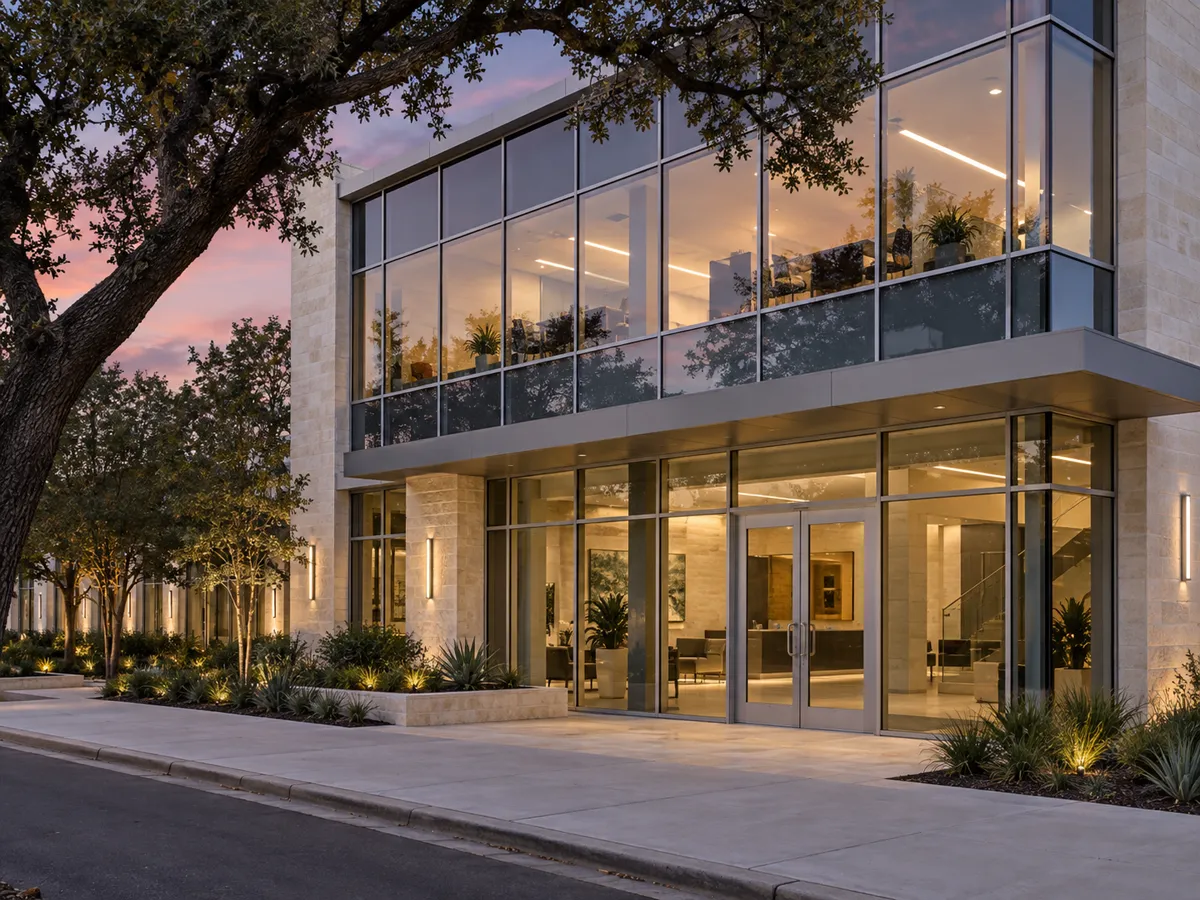
Fontana is a regional hub of the trucking industry, and its warehouse and logistics buildings sit in the same wind as the houses, so industrial repaints here start with the same exposure map. Interstate 10, the Foothill Freeway on State Route 210, and Interstate 15 in the northwest all serve those sites. The city's industrial story is older than trucking. During World War II Henry J. Kaiser built a steel mill here, one of only two west of the Mississippi at the time, and the old mill site later became Auto Club Speedway. The newer buildings on Fontana's logistics streets are a different stock: large concrete walls, many built tilt-up, with panels cast flat on the slab and lifted into place.
Wind and heat work the sealant between panels. Failed joints are cut out and resealed before coating, because paint over a failed joint cracks with it.
Dock doors, bollards and the office entry are phased so trucks keep moving and visitors keep a clean front door.
Work at height on lifts stops when wind makes it unsafe, and the written schedule builds in that allowance rather than promising a day that the weather cannot keep.
The right coating for a Fontana wall is the one matched to its exposure and its substrate, and it must also be sold as compliant with the South Coast AQMD's Rule 1113 limits on VOC content in architectural coatings. We pick from those compliant lines and hand you the product data sheet.
Recoat timing follows each product's data sheet and the day's heat and wind, not a fixed rule of thumb.
The process
We walk every elevation, mark the windward and sun-facing walls, and tape-test the old paint for adhesion where it looks chalky.
The estimate names the washing, repairs, primer, coating and coats, plus the start date, the expected length and how wind days are handled.
Walls are washed free of dust and chalk, cracks and joints are repaired, and primer goes where adhesion testing called for it.
Finish coats go on the sheltered side first on breezy days, with spraying held for calm weather and overspray protection on cars and roofs.
We walk the finished job with you or your manager, close the punch list, and leave a written warranty.
Fontana stucco repaints are typically estimated at roughly $2.50 to $6 per square foot, and a prep-heavy two-story house generally lands at roughly $6,000 to $18,000. The exposure of the walls and the condition of the old coating move the price more here than the color does.
For warehouse and industrial owners, a building repaint is usually estimated in the range of roughly $30,000 to $250,000 and is bid by wall area, height, lift access, joint work and phasing around dock traffic.
Every figure above is an estimate that can change after the walk; a written quote or bid confirms the final price. Homeowners get a free walk and written estimate, and building owners can send plans or a site plan for a bid.

Questions
Yes, but the schedule follows the forecast. On gusty days the crew brushes and rolls on sheltered walls, and spraying waits for calm conditions.
The walls facing the wind and the afternoon sun take the most abuse, so they chalk, fade and collect grit first. Those elevations get extra washing and an adhesion check before recoating.
It is a strong choice where hairline stucco cracks are showing, because the thick film bridges them. On sound stucco a standard exterior acrylic may be the better fit, and we sample both on your wall.
Stucco repaints are typically estimated at roughly $2.50 to $6 per square foot, depending on washing, crack repair and access. The written estimate after the walk sets the final price.
Yes. We bid by wall area and height, reseal failed panel joints, and phase around dock doors and truck traffic, with product submittals for approval.
Yes. Products are chosen from lines sold as compliant with SCAQMD Rule 1113, and you receive the data sheet for each.
If your street has one, it usually sets the palette. Get its approved colors first and we will sample from them on your house.
Call or send the form with your address. We walk the property, map the exposed walls, and follow with a free written estimate or bid.
Homeowners get a free on-site estimate. Boards, managers and contractors can send a scope for a bid.
Licensed, insured and bonded · License #585047. Calls only, we do not receive text messages.