Prepasted paper
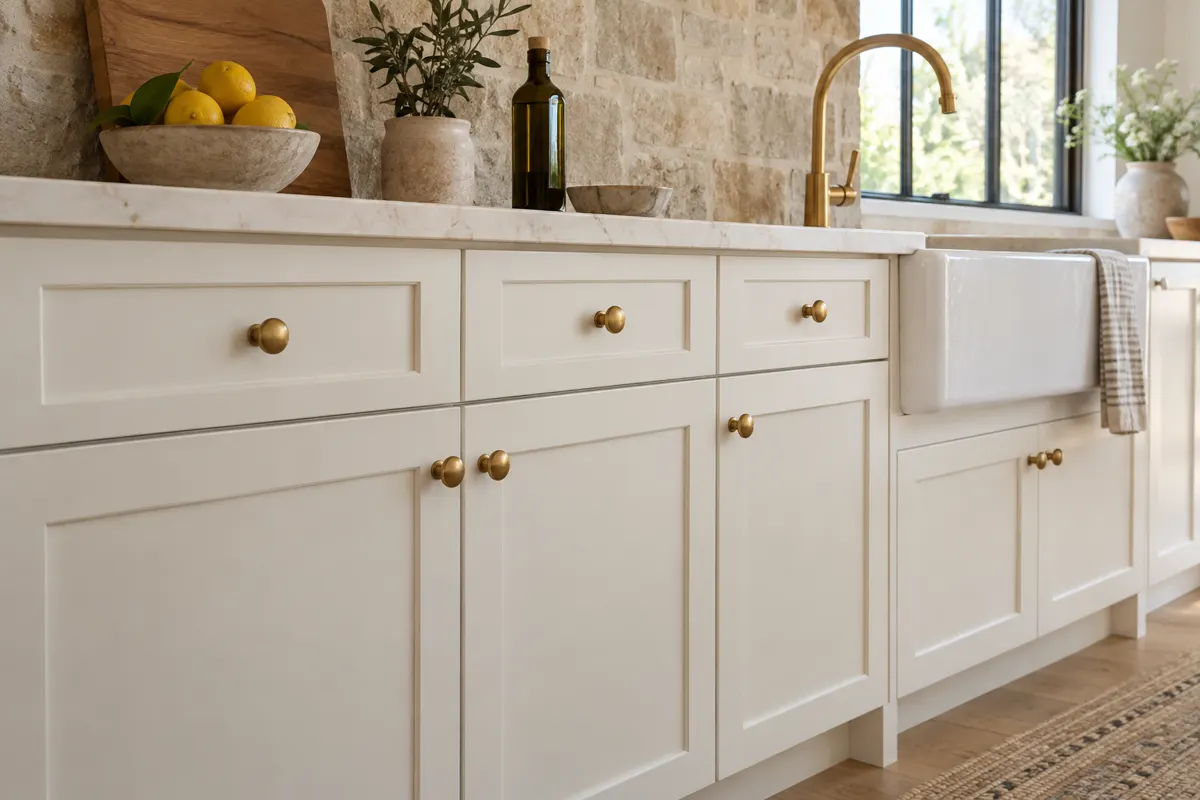
Plain paper with factory-applied paste is the friendliest case. We score it lightly, wet it so the paste lets go, and the sheets slide off in long pieces. Too much water is the one thing to avoid, since drywall soaks it up.

Rancho Cucamonga Elite Painting offers wallpaper removal & repainting in Rancho Cucamonga for homes across Etiwanda, Alta Loma and the Victoria area, repairing the wall underneath before it repaints. We handle vinyl, paper and grasscloth, scrub off the glue residue, skim coat damaged drywall and prime before any color goes on.
Get a free painting estimate
A wallpapered wall is only ready for paint once every scrap of paper and every trace of glue is gone. Before we quote, we lift a corner in an out-of-the-way spot to see what the paper is and how it comes off, and our written scope says how the wall will be stripped, repaired, primed and painted.
Plenty of tract homes in Rancho Cucamonga were wallpapered in the 1980s, 1990s and early 2000s, usually a border in the dining room and a busy pattern in the bathroom. We take those rooms back to bare, sound walls, and we serve Eastvale, Corona and Rialto along with every part of Rancho Cucamonga.
Why Rancho Cucamonga Elite Painting
Whoever walks your rooms with you stands behind how the finished walls turn out.
The type of wallcovering decides the method, because the wrong approach tears the paper face of the drywall. In Rancho Cucamonga homes we usually meet four kinds, and we identify which one is on your wall before a single strip is pulled.
Plain paper with factory-applied paste is the friendliest case. We score it lightly, wet it so the paste lets go, and the sheets slide off in long pieces. Too much water is the one thing to avoid, since drywall soaks it up.
Vinyl is a plastic skin that water will not pass through. The top layer is peeled off dry, and the paper backing that stays behind is then scored and steamed or wetted so it loosens. Skipping the scoring step is how a bathroom wall ends up with a half-stripped backing glued to it.
Grasscloth is woven plant fiber on a paper backing and is often hung with a heavy adhesive. It is peeled slowly, and the backing is steamed free in small sections so the wall face survives.
Foil blocks moisture, and a second layer hung over the first can bond harder than the top sheet. These jobs go in stages, and we check the wall again after each layer comes off.
Taking the paper off is half the work. The paste that stays on the wall is the part that ruins a repaint, because primer and paint over residue peel, bubble and leave a shadow in the shape of every seam.
A scoring tool opens tiny perforations in the surface so steam and water can reach the paste. Steam is held on the wall just long enough to soften the glue, then the paper is lifted with a wide scraper held low so it never gouges the board.
The dry air inland from the coast helps once the paper is off, because a washed wall dries faster here than in a humid region. That also dries the paste on the wall before you can lift it, so we work a few feet at a time rather than wetting a whole room at once.
Leftover paste feels slick or tacky when you run a hand over it. We wash it with warm water and an adhesive remover, scrub, rinse and let the wall dry fully, because a wall that still has glue on it will not take primer.
Peeling the paper often pulls the paper face off the board or lifts old texture. Those spots are sealed, patched and, where the damage is wide, covered with a skim coat of joint compound so the wall is flat again.
Homes that were built or wallpapered before the late 1970s can hide materials we do not disturb without a test. Paint under old paper may contain lead, and some older wall compounds, textures and adhesives contained asbestos. Most Etiwanda and Victoria tract homes are newer than that, but older Alta Loma and original Cucamonga houses are not.
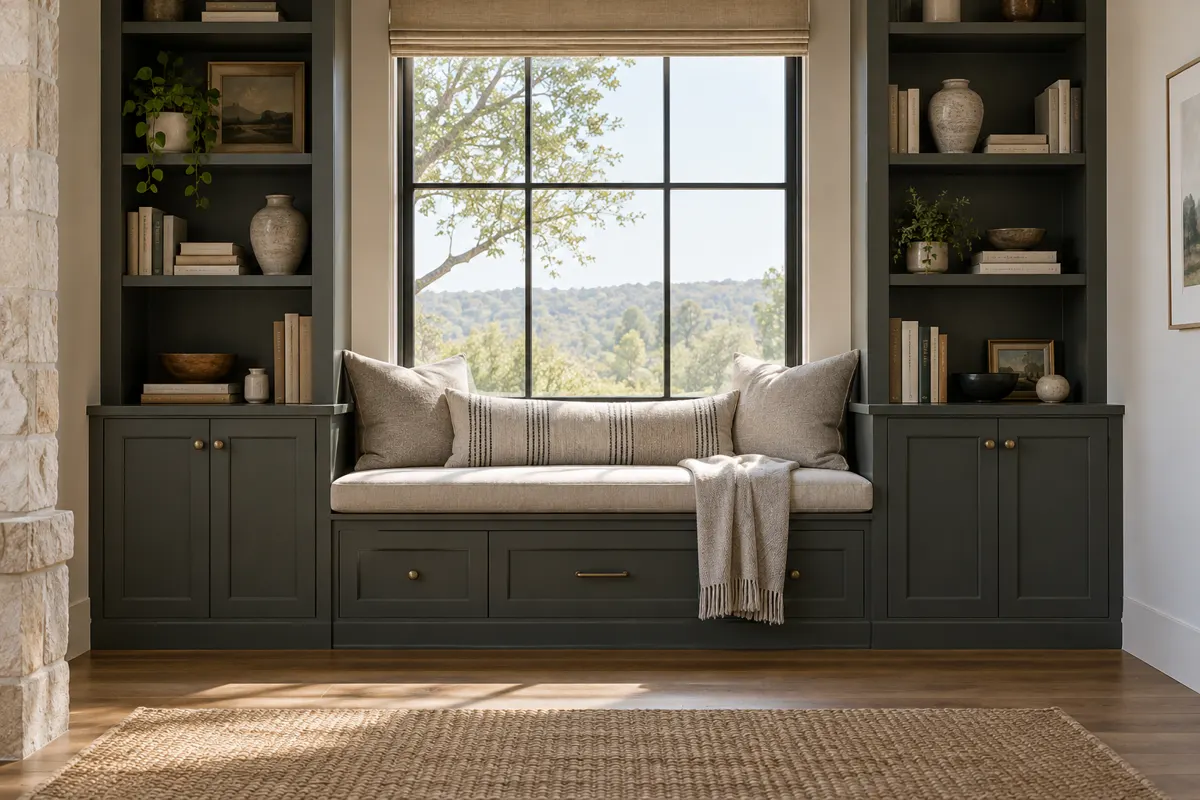
A skim coat is a thin, even layer of joint compound spread across the whole wall, and it is how torn, scarred or textured drywall becomes smooth again. We use one when the paper face is torn, when the old wall carried a heavy texture, or when residue left a patchwork of rough and smooth spots. Smaller damage only needs spot patching and sanding.
Once the wall is flat and dry, it gets a stain-blocking primer. Primer seals the compound, locks in any trace of old glue and gives the finish coats one even surface, so the color dries the same from corner to corner.
Bathrooms and dining rooms are where most wallpaper in Rancho Cucamonga still hangs. Bathroom paper has been steamed by showers for years, so the adhesive may have gone brittle in some spots and stayed stuck in others. Dining rooms often carry a border near the ceiling, which we cut loose, strip and wash before repainting the whole wall so no ridge shows at the line.
When the room is already stripped and primed, we paint the ceiling and trim in the same visit so the room is finished in one pass.
The process
Five steps, and nothing is painted until the wall is clean, flat and you have approved the colors.
We walk the rooms with you, lift a hidden corner to learn the paper type and how many layers there are, and note the condition of the wall behind it.
You get the stripping method, the expected wall repair, the primer and the finish coats in writing, so the repair is never a surprise halfway through.
Floors and furniture are covered, the paper comes off, and every trace of paste is washed from the wall and left to dry.
Damage is patched, skim coated where needed and sanded smooth, then a stain-blocking primer goes over the whole wall.
The finish coats go on in the color you approved, and we walk each wall with you in raking light before we call it done.
Questions
No, not if you want paint that lasts. Seams show through the finish, the old glue softens under wet paint, and the edges lift within a year or two. Stripping the paper and repairing the wall is the only approach that holds.
Some damage is normal, and it is repaired before painting. Peeling can lift the paper face of the drywall, so we match the method to the paper, then patch or skim coat anything torn so the damage never shows in the finished wall.
We wash it off completely before priming. Residue that stays on the wall bubbles under paint and leaves a visible shadow at every seam, so the wall is scrubbed, rinsed and allowed to dry first.
Only when the wall needs one. Light residue and small nicks need spot patching and sanding. Torn paper face, heavy old texture or a patchwork of damage calls for a full skim coat, and we tell you which case you have once the paper is off.
It can be, in homes built before the late 1970s. Paint under the paper may contain lead, and some older compounds and adhesives contained asbestos, so we ask for a test on pre-1980 homes before sanding or scraping. A positive result means a certified abatement contractor handles it.
A single bathroom or dining room is usually one to two days of stripping and repair, plus drying and painting time, as an estimate. Several layers, grasscloth or a skim coat add days, and the walk-through gives you a realistic schedule.
Yes. A border is cut loose and stripped with the same care as a full sheet, then the wall is washed and repaired so the line where it hung does not show through the paint.
Yes, and the room is already masked off, so it costs little extra effort. A bright new wall beside a dingy ceiling makes the ceiling stand out, so we put both into one estimate.
Call for a free look at your walls. Property managers and builders can send a room list and we will price it from that.
Licensed, insured and bonded · License #585047. Calls only, we do not receive text messages.