Skip to content
Call (909) 922-1329Licensed, insured and bonded · License #585047

Limewash & Mineral Coatings in Rancho Cucamonga, Breathable Color for Stucco and Brick

Rancho Cucamonga Elite Painting offers limewash & mineral coatings in Rancho Cucamonga, applying limewash and mineral silicate coatings to stucco, brick, block and plaster across the city, from Alta Loma hillside homes to Etiwanda ranch properties. These coatings bond into the wall instead of sealing it, so they suit our dry heat, and we adjust every application for sun, wind and the surface underneath.

  • Free on-site wall check
  • Sample boards cured in your light
  • Breathable systems, wall by wall

Get a free painting estimate

About our limewash and mineral coating work

Limewash and mineral silicate coatings are the right choice when you want a soft, chalky, slightly cloudy finish on stucco or masonry that is allowed to breathe. Our crew brushes and sprays both systems, builds color in thin coats, and tells you honestly when a wall is better served by a conventional coating instead.

Most Rancho Cucamonga houses are stucco, and most lots are bounded by block walls, so the questions we hear are practical ones: will it last in this sun, will the association accept it, and will it look even. This page answers each one for walls in Alta Loma, Etiwanda and the neighborhoods around Foothill and Haven. Our sister page on limewash with Venetian plaster covers the trowelled side of this work.

Why Rancho Cucamonga Elite Painting

How We Work

Mineral coatings reward the same hands from the first sample to the last coat.

Wall test firstAbsorbency, cracks and old paint checked before a system is named
Sample boardBuilt on your own wall and judged once it has dried
Same paintersThe crew who measure the wall are the ones who coat it
CA License #585047Licensed, insured and bonded

What limewash and mineral coatings are

Both systems are inorganic, and that is why they behave differently from paint. Instead of drying into a plastic skin, they chemically join the masonry, so the wall keeps passing water vapor outward the way it was built to.

Limewash

Limewash is slaked lime in water with mineral pigment, and it hardens by absorbing carbon dioxide from the air. The result is a matte, softly mottled surface with real depth. It is the traditional choice for old brick and Mediterranean stucco, and it is the easiest of the mineral finishes to touch up later.

Mineral silicate coating

A silicate coating uses potassium silicate as its binder, and that binder reacts with the wall to form a hard, stone-like bond. It is more durable than limewash, holds color longer in strong sun, and still lets the wall breathe. It looks flatter and more even than limewash, which many owners prefer on a large elevation.

How they differ from elastomeric and acrylic

Elastomeric and acrylic coatings are films. They bridge hairline cracks, which mineral coatings cannot, but they slow moisture movement. On sound, uncracked stucco a mineral system is a good fit. On stucco with active cracking, we often repair first or recommend a film, and we say so at the walk.

Which Rancho Cucamonga surfaces take a mineral finish

Stucco is the surface we coat most, and it takes mineral finishes well when it is sound and the old paint is not sealing it. The condition of what is already on the wall decides the method, so we test before we promise a look.

  • Cement stucco, the standard on tract homes and custom houses alike, accepts silicate coating or limewash over a mineral primer once it has fully cured.
  • Brick on chimneys, planters, entry columns and some older Etiwanda homes takes limewash directly if it is unpainted and absorbent.
  • Concrete block, which lines the property walls and many garage and casita buildings, takes either system after cleaning and a bonding primer.
  • Plaster, inside or out, is the most natural base for lime, and old lime plaster should be left breathable.
  • Previously painted walls can be converted, but acrylic paint that is still bonded must be removed or primed with a mineral-compatible primer first, and the finish will read more opaque than it would on raw masonry.

A simple water test tells us a lot. If a splash soaks in within a few seconds, the wall is thirsty and will accept the coating. If it beads, there is a film in the way, and we plan the removal or primer step into your written scope.

Dry heat, direct sun and Santa Ana wind

Rancho Cucamonga's heat is the main thing we plan around, because limewash needs moisture to cure properly. On a stucco wall that has soaked up a triple-digit afternoon, the water in the coating is pulled out before the lime can bond, and the surface turns powdery and weak.

We work with that rather than against it. Walls are misted before each coat so they are damp but not dripping, and we follow the shade around the house, starting on the east and north sides in the morning and moving west later. Coats are kept thin, and each is allowed to cure slowly before the next goes on.

Santa Ana wind days are the exception we do not fight. Hot, dry gusts dry the surface in minutes and blow grit from the street and the foothill washes into wet material, which leaves specks and uneven patches. When the forecast shows a wind event, we move the exterior limewash to a calmer day and use the time for prep, interior work or other trades on the job.

Silicate coatings tolerate the heat better than limewash because the binder cures chemically rather than relying on slow carbonation, which is one reason we suggest them for large west-facing walls that bake all afternoon.


Charcoal painted bookshelves on both sides of a window with a padded bench

Tone variation, samples and curing

Variation is part of the character of these finishes, so the goal is to control it, not erase it. A sample board is how you decide how much movement you want before we touch the house.

Expect movement in the color

Because the coating builds in thin layers over a surface that absorbs unevenly, you will see light and dark areas, brush marks and soft clouds. Most owners choose the finish for exactly that look. If you want a perfectly flat color, we will tell you to consider a conventional coating.

Judge it dry, not wet

Lime looks darker and more transparent when wet and lightens as it cures. We put the sample on your own wall and let it dry fully, then look at it in morning light and again in the late afternoon sun that hits Rancho Cucamonga walls.

Give it time to cure

Limewash continues to harden for days and strengthens over weeks, so it should not be washed or brushed hard right away. We keep sprinklers off the wall during that period and ask that you do the same.

Same wall, same hand

Variation across a house usually comes from a change of crew or batch. We keep the same painters on the elevation, mix pigment by measure, and blend wall to wall so a break in the finish falls at a corner or a trim line.

HOA approval for a limewash or mineral finish

Most Rancho Cucamonga homes sit inside a homeowners association, and the architectural committee usually approves color and finish together. A mineral coating can raise questions that a flat paint chip does not, so we prepare for them in advance.

  • We build the sample on your actual wall so the committee can see the real texture, not a swatch of paint.
  • We prepare a short submittal that names the product type, the color, the finish and the area to be coated.
  • We explain in plain terms that the finish is matte and mottled, which some associations treat as a different look from a smooth exterior.
  • We check the approved palette first, because a limewash tint should land inside it.
  • We wait for the written approval before the first coat goes on.

For community-wide projects, see our page for HOA and association painting. Where a board has a rule about sheen or surface texture, the sample is the fastest way to settle it, and we can leave the board with the manager for the meeting.

Spanish, Mediterranean and ranch homes

Mineral finishes fit the Spanish and Mediterranean homes common in Rancho Cucamonga because they were developed for that kind of wall. Smooth or lightly textured stucco in warm white, sand or soft clay looks right with clay tile roofs, arched entries and wrought iron, and it gets better with age instead of worse.

Ranch homes from the older parts of town respond differently. A single-story stucco ranch with a brick planter or chimney can carry limewash on the brick and a silicate coating on the stucco, so both walls breathe and the two surfaces read as one palette. We often pair a limewashed chimney with a classic painted trim so the house keeps its character.

Brick and block deserve their own plan. Our brick and masonry painting page covers the conventional options, and our stucco painting page explains how we handle sound and cracked stucco before any finish goes on.

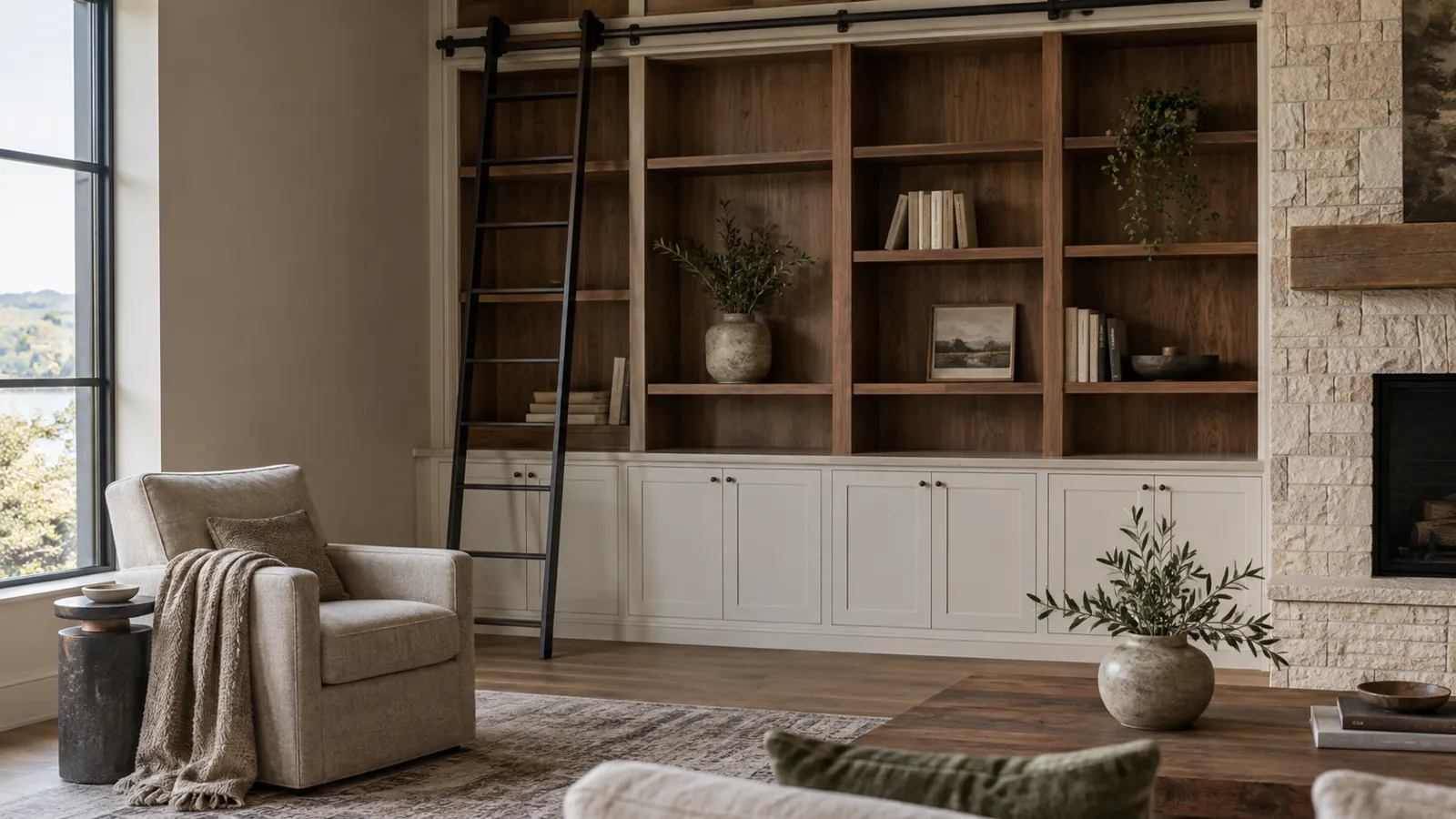
Wall of white and walnut shelving with a rolling ladder beside a stone hearth

Custom homes in Alta Loma and the foothills

Custom homes in Alta Loma and along the foothill streets often have larger elevations, thick stucco, stone accents and plastered feature walls, and that is where mineral finishes show their worth. A long wall coated in silicate takes the sun without the sheen or chalking that bothers owners of oversized elevations, and limewash on a courtyard wall gives a handmade look that paint cannot imitate.

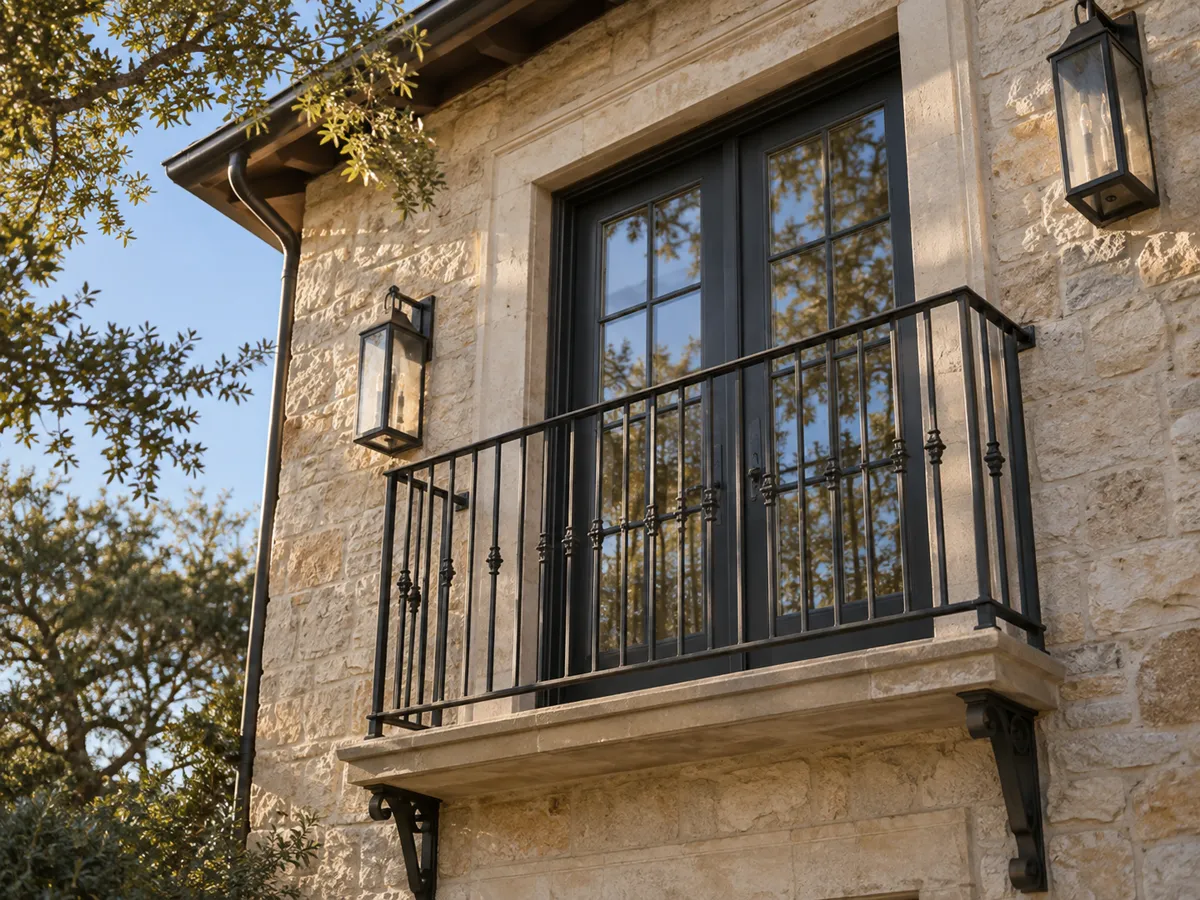
These properties also tend to include mixed materials: stone veneer, cast stone, iron, wood beams and trim. We mask and protect everything near the lime, which is caustic when wet, and we sequence the work so stone and glass are covered before anyone starts. Where a design professional has specified a finish, we make the boards to match and the designer signs them off before we begin.

If the home has an older section, such as an Etiwanda ranch house or a vineyard-era structure, we check for lime plaster and soft historic masonry before choosing a coating. Historic home restoration painting explains the approach we use when breathability is the priority.

Colors and Finishes

What shapes a mineral coating project

The surface and the number of coats shape the schedule more than the square footage does, and we set both in writing before work starts.

  • The condition of the existing paint, and whether it has to be stripped or only primed.
  • Cracks, hairline or active, and how they are repaired before coating.
  • The finish you choose, because limewash takes more coats than a silicate coating.
  • Height and access, particularly on two-story homes and sloped foothill lots.
  • Landscaping, stone and glass that need protection from lime splash.
  • Weather, since heat and wind can move a day and we plan for that.

We will give you a written scope after the walk, and we will confirm the exact finish only after the sample board is approved. Our exterior house painting page explains how we handle the wider job around the finish.

The process

How a Limewash or Mineral Coating Job Runs

Four steps, with the sample approved before the first coat.

  1. Walk and wall test

    We look at the stucco, brick or block, test absorbency with water, and note cracks, old paint and sprinkler patterns.

  2. Sample and scope

    We build a board on your wall, let it cure, and give you a written scope with the system, coat count and color.

  3. Prep and coating

    We wash, repair, prime if needed, mist the wall, and apply thin coats with a cure between each one.

  4. Final walk

    We walk the finished wall with you in daylight after it has dried and blend anything you point out.

Questions

Limewash & Mineral Coatings: Common Questions

Is limewash a good idea on stucco in Rancho Cucamonga?

Yes, on sound stucco that is cured and not sealed by old film paint. The wall must breathe and stay free of active cracks, and we test both at the walk. If the stucco has a bonded acrylic coat, we plan a primer or removal step first.

How long does limewash last in this heat?

Limewash weathers gradually instead of peeling, and silicate coatings last longer in strong sun than limewash. How soon a wall needs a refresh depends on exposure, so west-facing walls usually age first, and we explain what to expect for your house in the estimate.

Will the finish look uneven?

Some movement is normal and expected, because the finish is built in thin, slightly translucent coats. We reduce the uneven look by using the same crew, mixing pigment consistently, and breaking at corners, and the sample board shows the level of variation before we commit.

Can I limewash over painted stucco?

Yes, but only over a mineral-compatible primer, or after removing paint that has failed. The primer is opaque, so the finish looks more even than limewash on raw masonry, and we tell you what to expect before any sample is made.

Will my HOA accept it?

Often yes, when the color sits inside the approved palette and the committee can see a real sample. We prepare the submittal and build the board on your wall, and we do not start until the approval is in writing.

What weather stops the work?

Wind and extreme heat. Santa Ana days and afternoons well over the triple digits are poor days for limewash, so we reschedule rather than risk a weak, dusty finish.

Can limewash cover cracks?

No, mineral coatings do not bridge cracks. We repair hairline cracks before coating, and where a wall keeps moving we recommend a flexible film instead, since a limewash on a moving wall will show every crack.

How do I book a consult?

Call or send the request form with the wall type and the look you have in mind. We visit, test the surface, build a sample and give you a written scope.

Free on-site estimate

Talk to us about limewash and mineral coatings

Homeowners get a free walk and sample. Boards, managers and builders can send a scope for a bid, and we answer in writing.

Call (909) 922-1329

Licensed, insured and bonded · License #585047. Calls only, we do not receive text messages.

Call (909) 922-1329Licensed, insured and bonded · License #585047