Skip to content
Call (909) 922-1329Licensed, insured and bonded · License #585047

Fascia, Eave and Rafter Tail Painting in Rancho Cucamonga

Rancho Cucamonga Elite Painting is San Bernardino County's trusted specialist in fascia and eave painting in Rancho Cucamonga, CA, specializing in peeling fascia boards, exposed rafter tails and eave soffits. We offer soft-wood probing, rotted board replacement and trim-only painting between whole-house repaints.

  • Free on-site estimate
  • Written scope, coat by coat
  • Colors you approve first

Get a free painting estimate

Or call (909) 922-1329. Calls only, we do not receive text messages.

About our fascia, eave & exterior trim painting

Our team provides bare-wood priming on every repaired and stripped section, delivering trim that keeps its paint and a sharp line under the roof for both residential and commercial projects. The same crew that probes and replaces your boards primes and paints them, working from a written scope that lists each board, the primer and the coats.

From sealing the end grain on a new rafter tail to repainting every fascia run around the roof, our team handles every detail. Serving Rancho Cucamonga, Upland, Montclair and Claremont, we keep the wood under your roofline sound and painted.

Why Rancho Cucamonga Elite Painting

How We Work

No salesperson hands you to a stranger. The person who measures the job answers for it.

Written scopePrep, primer and finish coats listed surface by surface
Colors firstSamples on your wall, and association submittals prepared for review
One crewThe crew that quotes the job is the crew that paints it
CA License #585047Licensed, insured and bonded

Why the fascia and eaves fail before the walls

Fascia and eave painting in Rancho Cucamonga comes up long before a stucco house needs its walls repainted, because the wood trim at the roof edge takes water, sun and movement that the walls never see. Paint on exterior wood fails first at joints and end grain, and moisture is the most common cause of that failure.

The fascia carries the gutter

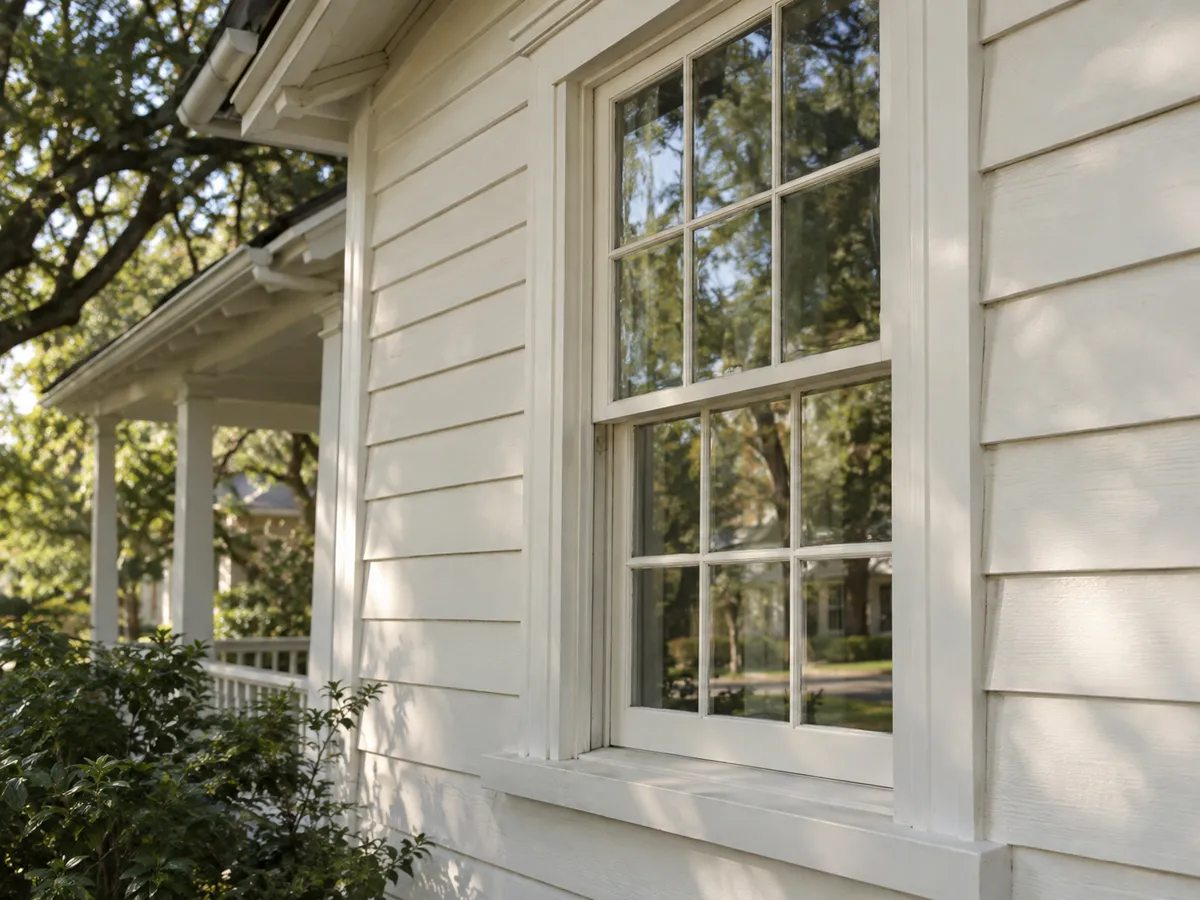
The fascia is the board that caps the ends of the rafters along the roof edge, and on most houses it is also what holds the rain gutter. When a gutter overflows or leaks at a seam, water runs down the face of the fascia and soaks in behind the paint.

Rafter tails are all end grain

On open eaves, the rafter tails poke out past the wall with their cut ends facing the weather. End grain drinks water far faster than the face of a board, which is why a row of tails often shows peeling and checking while the fascia beside it still looks fine.

The walls are protected, the trim is not

Eaves exist to throw rain clear of the walls, so the stucco below stays drier than the wood that shelters it. That is the whole reason trim can be on its own schedule: the wood wears out first, and repainting only the trim is often the right call.

Finding and replacing soft wood

Before any trim is painted, every fascia run and rafter tail is probed for soft wood, because paint over rot hides the damage for a season and then fails with the board. Wood decays when fungi grow in it, and that only happens when the wood stays wet above its fiber saturation point, so rot shows up where water sits: behind gutters, at joints and at the cut ends of tails.

How soft wood shows itself

A probe sinks into the board with little push instead of stopping at the surface. Brown rot leaves wood that cracks into small cubes across and along the grain. Paint that bubbles or splits along a joint often has wet wood behind it.

Replace, do not bury

So-called dry rot is a misnomer: the wood was wet when it decayed, even if it is dry by the time you notice. A soft section is cut out and replaced with new stock, or the full board is replaced where the damage runs long, and the source of the water is pointed out so it is not simply repeated. Where a gutter has to come off to reach the fascia behind it, rehanging it is written into the scope.

What the probe tells you about cost

Every soft board found on the walk is listed by location on your estimate, so you see exactly which lengths of fascia and which tails are being replaced rather than a single line for repairs.

Priming bare wood the right way

New boards and any wood stripped back to bare fiber are primed before the finish coats, because primer is what lets the paint grip porous wood and keeps water out of it. Wood absorbs the solvent from a topcoat quickly, and a primer stops that uneven soaking and improves the water resistance of the whole finish.

Prime promptly

Forest products research advises painting new exterior wood within two weeks of installation, weather permitting, since a weathered surface holds paint less well. Replacement boards here are primed on all faces, cut ends included, as soon as they are fitted.

Seal the end grain

Butt joints, lap joints and cut ends are where paint normally fails first, so they get the most attention: a paintable water repellent or preservative where the wood calls for it, then primer worked into the grain.

Match the primer to the wood

Redwood and cedar carry natural extractives that can bleed through latex paint as brown stains, so those species take an oil or alkyd primer. Pine and similar trim can take a high quality acrylic primer, and either way a primer goes on under the finish.

The process

How a fascia and eave job runs

  1. Probe and list

    We go around the whole roofline, probe each fascia run and rafter tail, and list every soft section.

  2. Protect below

    Stucco walls, windows, plants and walkways are covered, since scraping and repair work happens directly over them.

  3. Repair the wood

    Soft sections are cut out and replaced, gutters are taken down and rehung where needed, and joints are sealed.

  4. Scrape, sand and prime

    Loose paint comes off, edges are sanded smooth, and every bare area and new board is primed, cut ends included.

  5. Finish coats

    The fascia, tails and eave undersides are brushed and rolled in your trim color, with soffit vents kept open.

  6. Final look from the ground

    We walk the roofline with you from the yard and fix anything on the punch list before we pack up.

Painting the trim between full repaints

You do not need to repaint a whole house to fix its trim. If the stucco still holds its color, a trim-only job keeps the wood protected and the house looking maintained until the walls are due. We brush out samples of the existing trim color to match it, and if you are keeping the same color, most associations treat it as maintenance rather than a proposed change; if you want a new trim color, check with your association first. Trim done now can simply be recoated when the full exterior comes around.

Association boards and property managers with rows of houses or condo buildings face the same wood failing first on every roofline. We can survey the fascia and tails building by building, list the replacement lengths for each, and schedule the repair and paint so the trim is caught before it costs a roofer.

What fascia and eave painting costs

Repairing and painting fascia and eaves on a house in the Rancho Cucamonga area is typically estimated at roughly $1,000 to $3,000, with a single-story roofline and sound wood at the lower end and a two-story house with many soft boards at the upper end.

  • Linear feet of fascia and the number of exposed rafter tails.
  • One story or two, and how steep or awkward the roof edge is to reach.
  • How many sections of soft wood need cutting out and replacing.
  • Gutters that have to be removed and rehung to reach the fascia.
  • Open eaves with tails and boards versus boxed eaves with a flat soffit.
  • Redwood or cedar that needs an oil or alkyd primer.
  • Matching the existing trim color versus choosing a new one.

These are estimates, and they may change once the roofline is probed; the final price is set in your written quote after the walk. Call to book a free inspection of your fascia and eaves.

Colors and Finishes

Questions

Fascia, Eave & Exterior Trim Painting: Common Questions

Can you paint my fascia and eaves without painting the whole house?

Yes. Trim-only painting is common because the wood fails before the stucco. We match the existing trim color so the repaired roofline blends with the walls.

How much does it cost to repair and paint fascia in Rancho Cucamonga?

Most fascia and eave jobs are estimated at roughly $1,000 to $3,000, depending on the length of the roofline, the number of rafter tails and how much soft wood needs replacing. Your written quote sets the final price after the roofline is probed.

Do you replace rotted fascia boards, or only paint them?

We replace soft wood before painting. Paint over rotted wood fails with the board, so every soft section found on the walk is listed on your estimate and replaced first.

Why are my rafter tails peeling when the walls look fine?

Rafter tails expose their cut end grain to the weather, and end grain soaks up water much faster than the face of a board. The eaves also keep rain off the walls, so the wood takes weather the stucco never does.

Will you take down and rehang my gutters?

When the fascia behind a gutter needs repair or full painting, yes, and that work is written into the scope so you know it is included.

Do I need HOA approval to repaint my trim?

Usually not for the same color, which most associations treat as maintenance, though your governing documents decide. A new trim color should go through the architectural committee first.

Can my trim be painted in the same color so it matches the rest of the house?

Yes. We brush out samples beside the existing trim to confirm the match in daylight before the finish coats go on.


Free on-site estimate

Talk to us about fascia, eave & exterior trim painting

Homeowners get a free on-site estimate. Boards, managers and contractors can send a scope for a bid.

Call (909) 922-1329

Licensed, insured and bonded · License #585047. Calls only, we do not receive text messages.

Call (909) 922-1329Licensed, insured and bonded · License #585047