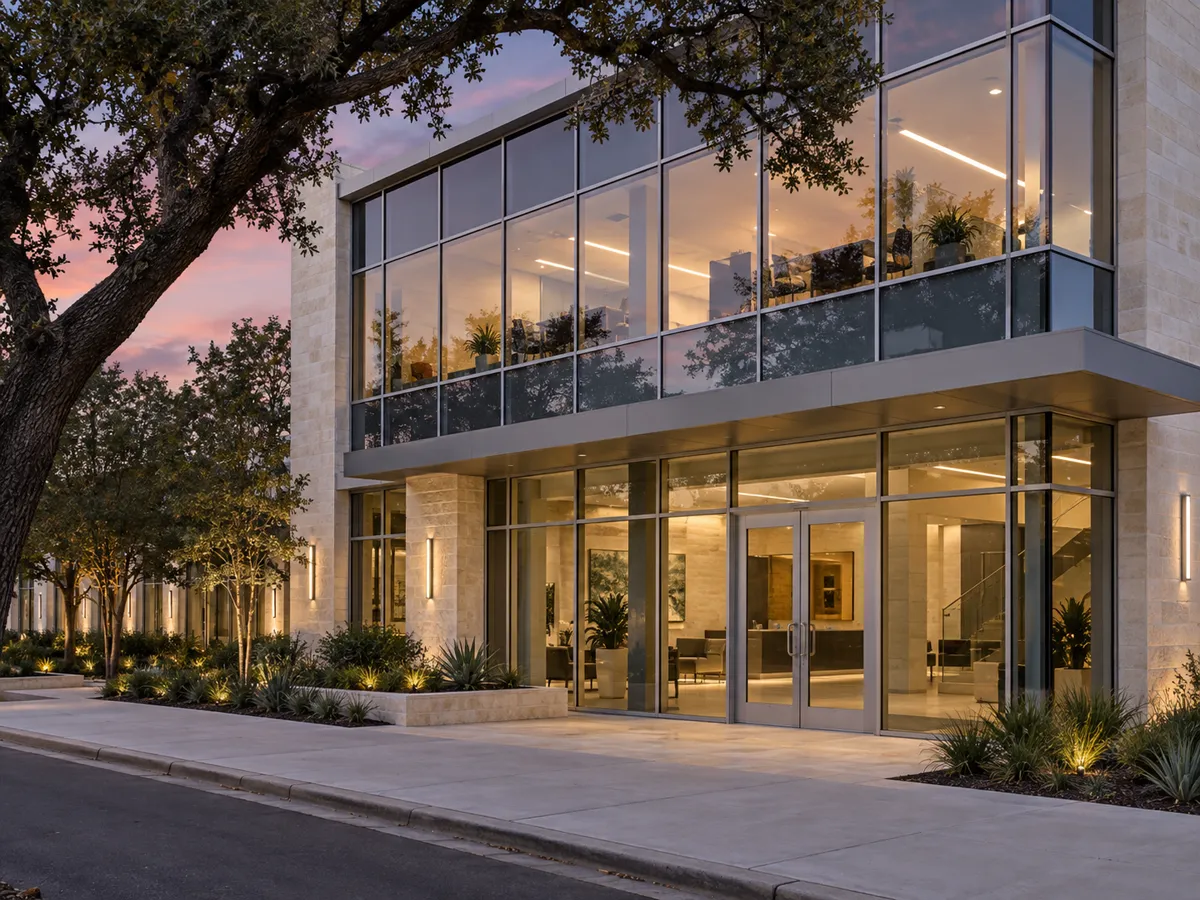
Order of buildings
The phasing plan groups buildings by street or courtyard so parking, trash enclosures and walkways are disrupted in one area at a time.

Rancho Cucamonga Elite Painting is a leading San Bernardino County contractor for HOA painting in Rancho Cucamonga, CA, specializing in community-wide exterior repainting, condominium building painting and common-area wall and gate coatings. We offer reserve study scope reviews and bid packages built for board comparison.
Get a free painting estimate
Or call (909) 922-1329. Calls only, we do not receive text messages.
Our team provides building-by-building phasing plans, delivering a repaint owners can follow on a posted schedule for both residential and commercial projects. Licensed, insured and bonded, we paint a mockup area on one building for the board and the architectural committee to approve before any other building is touched, and we submit product data for every coating in the package.
From the paint component in the reserve study to the last owner notice on the final building, our team handles every detail. Serving Rancho Cucamonga, Chino Hills, Eastvale and Corona, we plan association repaints around the board's meeting calendar and the residents who live there.
Why Rancho Cucamonga Elite Painting
No salesperson hands you to a stranger. The person who measures the job answers for it.
HOA painting in Rancho Cucamonga is usually funded from reserves, so the repaint begins as a component in the association's reserve study, listed beside roofs and paving with a remaining useful life and a replacement cost. California Civil Code section 5550 requires the board to have the major components visually inspected at least once every three years and to review the study every year, which means the paint line gets revisited on a known rhythm.
That rhythm is the moment to bring in a painter. A condition walk tells the board whether the surfaces match what the study assumed and whether the cost line still looks close. We walk with the reserve study in hand and record, building by building, where stucco is chalking, where fascia and trim have opened up, and where block walls and iron need more than paint.
A written condition note like this gives the community manager something concrete to hand the reserve study preparer at the next annual review, and it gives the board a reason on paper for moving the repaint up or holding it back.
Boards are often asked to choose between bids that measure different things. A bid package fixes that by making every contractor price one scope.
Surfaces by building, the prep standard, the primer and the number of finish coats are stated once, so each bidder answers the same question.
The package names the product line and sheen for each surface and attaches its data sheet, so the VOC content and application limits are on paper for the board.
Block walls, wrought iron, carports or pool buildings can be priced as alternates, letting the board add or drop them without rebidding the whole community.
A certificate of insurance, a W-9, references and the phasing schedule arrive with the price, so the manager is not chasing paperwork after the vote.
We will price a package the manager has already written, or draft one with the manager from our own walk. Either way the board looks at one scope and several prices, which is a decision it can explain to owners at an open meeting.
When a board keeps its existing palette, each color is matched on site and documented. When it refreshes the palette, the change runs through the architectural rules in the association's CC&Rs, and architectural committees commonly hold authority over exterior paint colors.
Owners hear about the repaint before a ladder goes up. We draft the notices for the manager to send: which building, which dates, what to move off patios and walls, when irrigation should be off, and when windows and doors will be masked. Under Civil Code section 4045 a general notice can go out by posting in a designated location, in a newsletter or billing statement, or on the association website, so the manager chooses the channel owners actually read. A second, shorter notice goes to each building just before its turn.
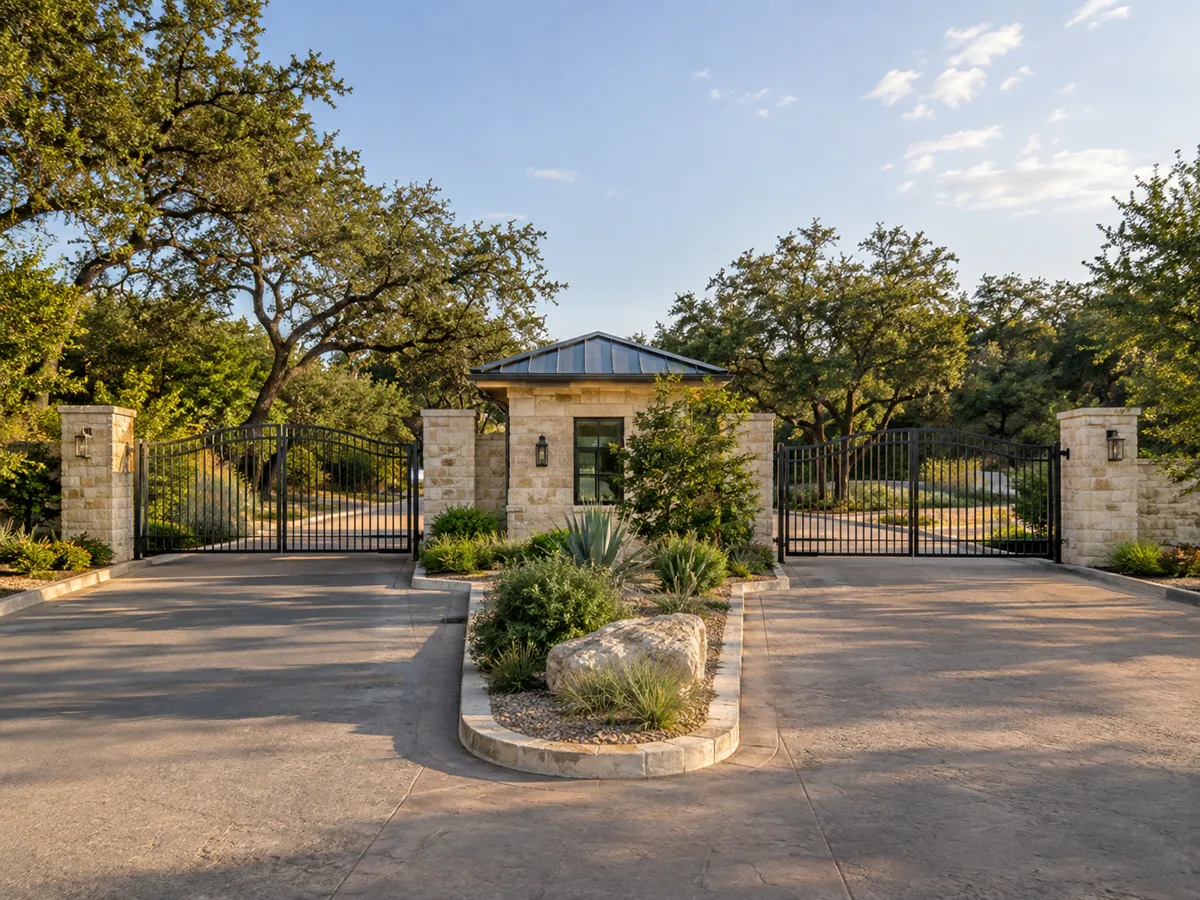
Terra Vista, the master-planned community of nearly two square miles at the center of Rancho Cucamonga, holds several separate townhome and condominium associations, and communities laid out like that suit a repaint that moves in a planned order rather than everywhere at once.
The phasing plan groups buildings by street or courtyard so parking, trash enclosures and walkways are disrupted in one area at a time.
Wash, repair, caulk, prime and finish, with a walk at the end of each building before the crew moves to the next.
Summers here are long and hot, so sun-facing elevations are painted in the cooler part of the day within the temperature limits on the product data sheet, and spray work stops when the wind picks up.
The manager or a board member walks each finished building with our lead, and that building's punch items close before it is signed off. The result is a schedule on which every owner can find their own building, with the start date and expected length for the whole community written into the bid.
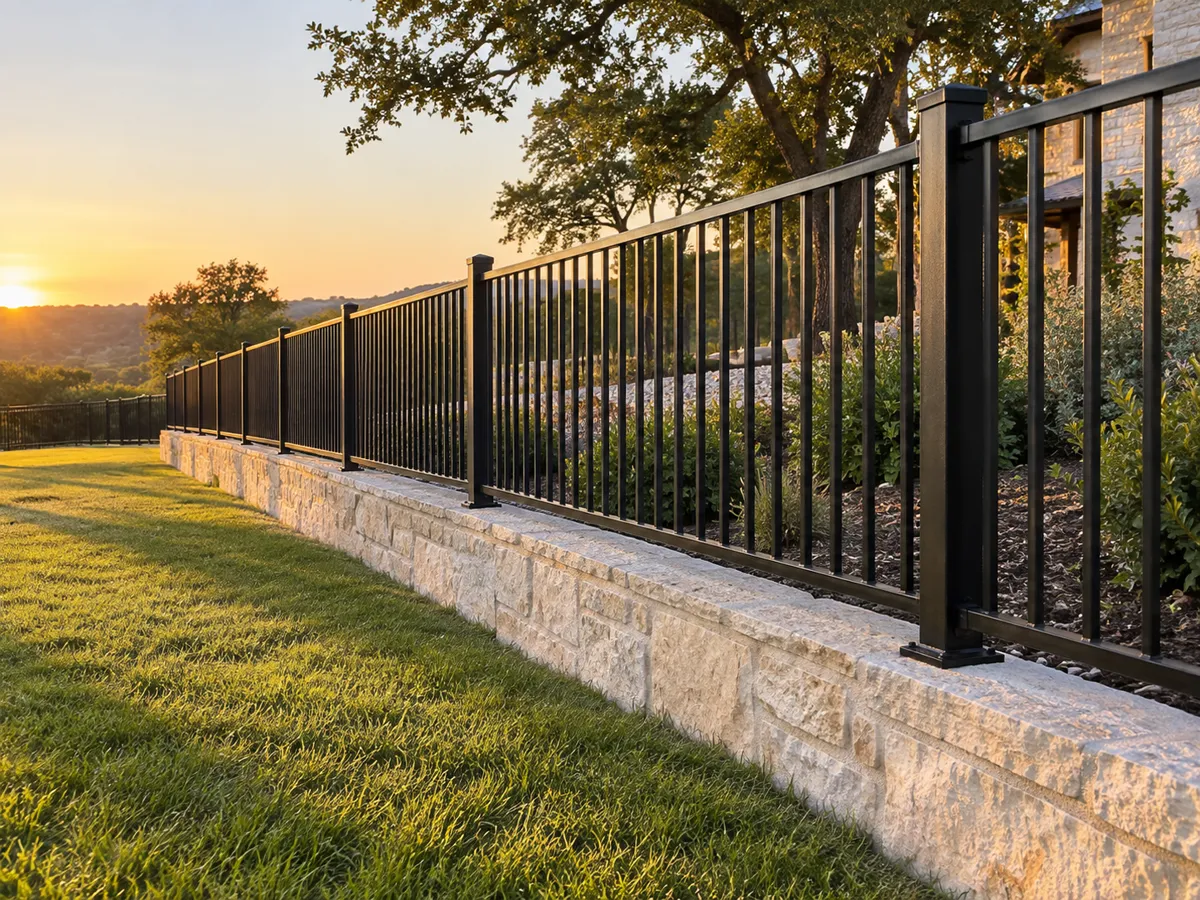
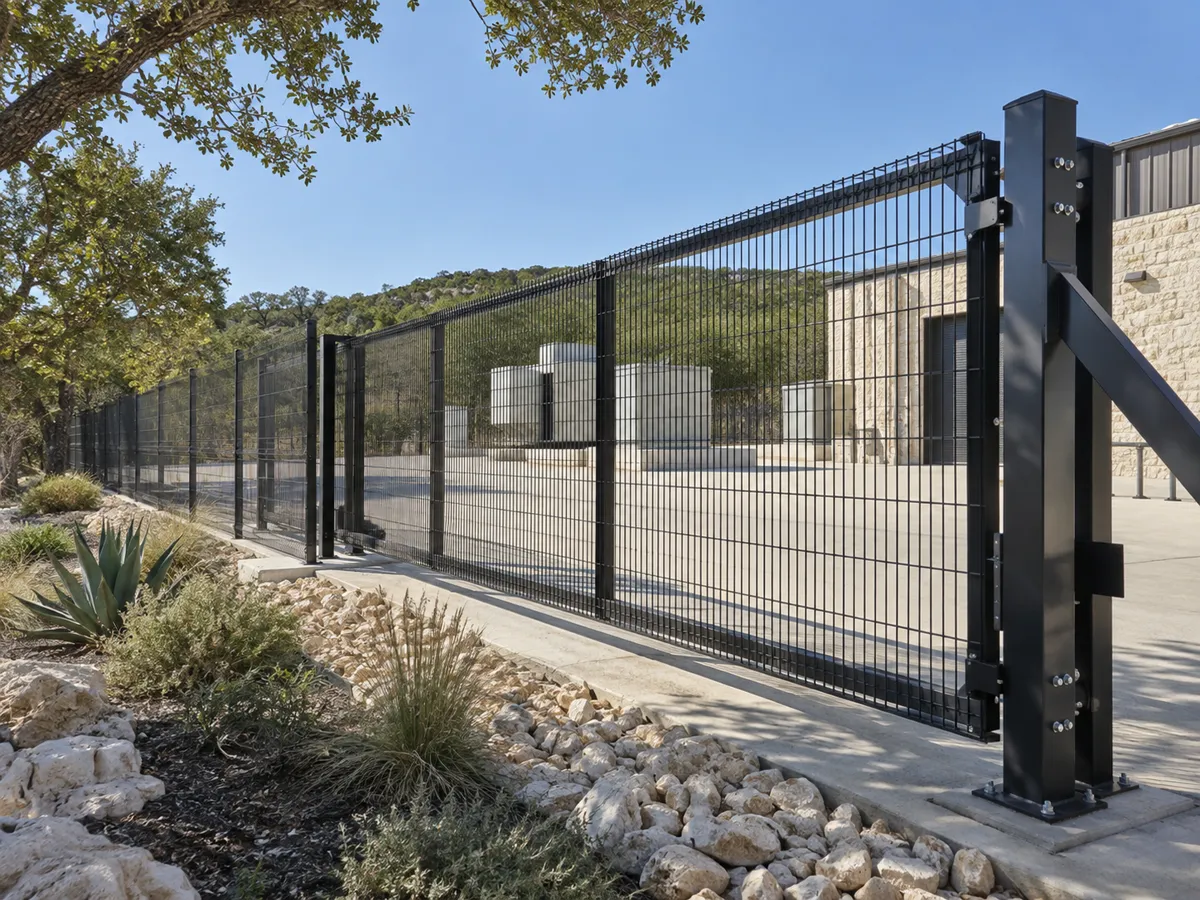
Who paints what is decided by the governing documents, and the answer changes the bid. In a condominium or townhome association the building exteriors are typically common area, so the association repaints them. In a single-family association, owners generally paint their own houses under the architectural rules, and the board repaints perimeter block walls, entry monuments, gates and clubhouse buildings.
We read the CC&Rs and the maintenance responsibility chart before pricing, and the scope covers only what those documents make the association's. Anything that belongs to individual owners stays out of the association's number, which keeps a reserve dollar from being spent on a private wall.
Across the trade, HOA and condo association painting contracts are typically estimated at roughly $100,000 to $600,000 per community, and the spread comes from the community itself rather than from the paint.
A per-building budgetary figure can be drawn out of the bid so the manager can set it beside the reserve study's cost line. Every number on this page is an estimate and subject to change after the walk; the association's final price is the one in our written bid. Send the reserve study, the building count or a site map and we will prepare it.
The process
Four steps, and nothing is painted until you have approved the scope and the colors.
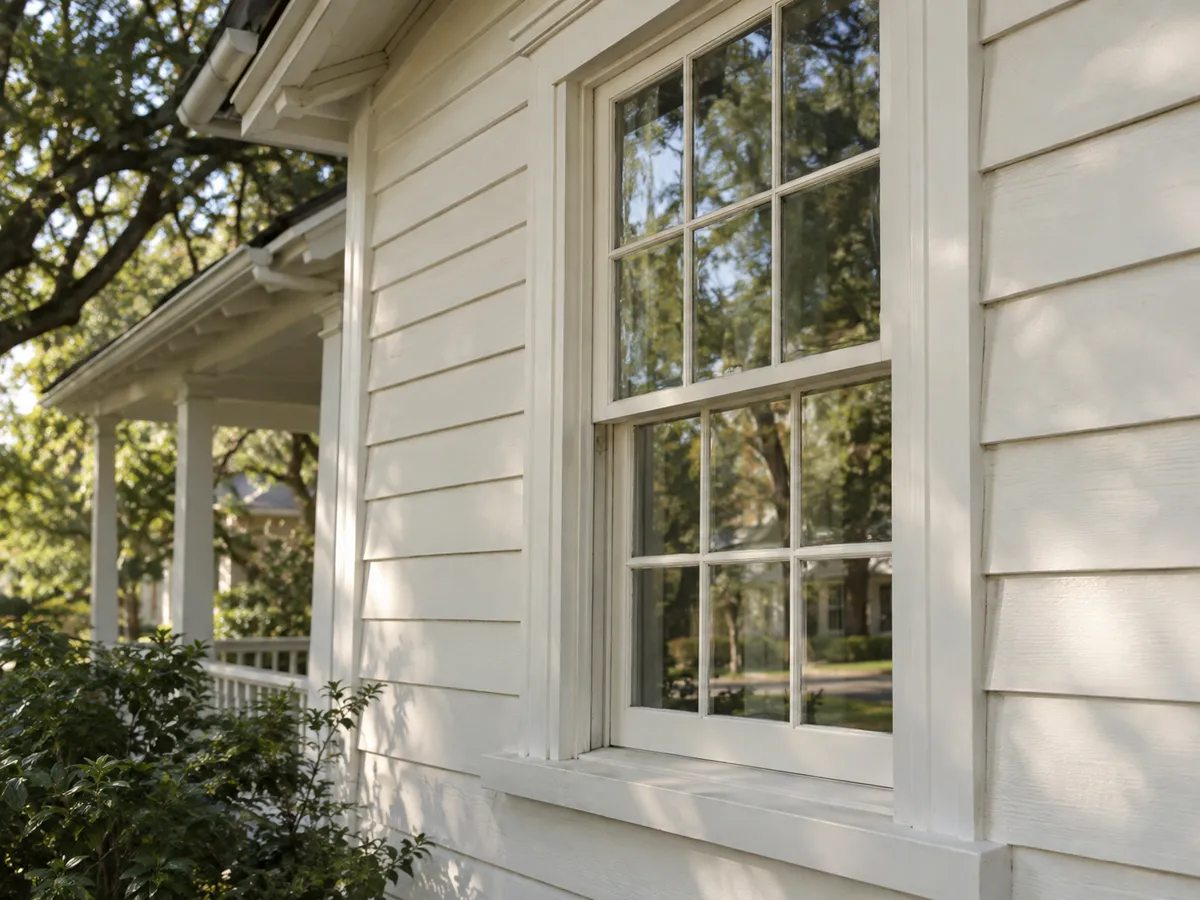
We walk the house or property with you, look at the stucco, the trim and the old coating, and note what the sun and the wind have done to each side.
You get the prep, the products, the colors and the dates in writing. For an association or a building, the scope is phased so residents and tenants know which day is theirs.
Washing, scraping, patching and caulking come first, because that is what the paint holds on to. Then primer where it is needed and the finish coats.
We walk it again with you before we call it done, and touch up anything you point at.
Questions
As soon as the reserve study shows the paint component coming due within the next budget cycle. That leaves time for a condition walk, a bid package, the architectural process for any color change, and notices, before the budget is adopted.
Yes. We can draft the scope, the product list, the alternates and the phasing assumptions with your community manager, and the board can then send that same package to every contractor it wants to hear from.
Yes. The phasing plan can group buildings into two or more stages that match your fiscal years, and the bid shows the extra mobilization that a split creates so the board can weigh it against a single run.
Yes. Board meetings are generally open to members under the Davis-Stirling Act, so presenting the scope and phasing at an open meeting lets owners hear the plan directly and ask their own questions.
No. Owners need to clear patios and move items off exterior walls before their building's dates, keep pets inside, and leave gates unlocked where the notice asks. Nobody needs to be home unless an interior door or window has to be opened.
They go to the association, not to the crew on the ladder. The approved color schedule is the reference, and any request to vary it is sent back through the architectural review the CC&Rs describe.
They can be included in the base scope or priced as alternates. Block walls often need efflorescence treated and a masonry primer, and iron needs rust removed and a metal primer, so each is priced on its own line.
A signed punch list for every building, the approved color schedule, drawdown cards, the product list by surface, and labeled leftover paint, which together give the next reserve study preparer a documented starting point.
Homeowners get a free on-site estimate. Boards, managers and contractors can send a scope for a bid.
Licensed, insured and bonded · License #585047. Calls only, we do not receive text messages.