Sawn shingles
Shingles are cut, so their faces are smoother and more even. They are usually spaced about an eighth to a quarter of an inch apart, and a heavy film of paint across those gaps is a gap that no longer works.

Rancho Cucamonga Elite Painting is a leading San Bernardino County specialist in shingle siding painting in Rancho Cucamonga, CA, specializing in western red cedar shingles, split cedar shakes and fancy-butt gable shingles. We offer semitransparent and solid-color staining for shingle walls.
Get a free painting estimate
Or call (909) 922-1329. Calls only, we do not receive text messages.
Our team provides stain-blocking primer under every painted course, delivering painting that holds its color over cedar's natural extractives for both residential and commercial projects. We sample the stain or paint on a few of your own shingles before anything is ordered, and the same crew that washes the wall brushes it from a written scope.
From working stain into the butt end of every course to refinishing each shingled gable on the house, our team handles every detail. Serving Rancho Cucamonga, Claremont, Upland and Chino Hills, we keep cedar walls even in tone and dry behind their courses.
Why Rancho Cucamonga Elite Painting
No salesperson hands you to a stranger. The person who measures the job answers for it.
Shingle siding painting in Rancho Cucamonga is a different job from painting boards, because cedar shingles and shakes are laid with deliberate gaps that have to stay open after the finish goes on. Flat-grain shingles shrink and swell almost twice as much as vertical-grain ones, and shingles laid without enough space between them buckle off the wall.
Shingles are cut, so their faces are smoother and more even. They are usually spaced about an eighth to a quarter of an inch apart, and a heavy film of paint across those gaps is a gap that no longer works.
Shakes are split out of a block of cedar, leaving a rough, textured face, and they are spaced wider than shingles. That texture takes stain beautifully and makes spraying without brushing a poor idea.
Fish-scale, diamond, octagonal and other shaped butts often decorate a gable, and machine-grooved shingles are made for walls only. Each shaped edge is brushed by hand so no butt is starved of finish. This page covers shingles and shakes on walls, gables and accents. We do not paint or coat roof shingles.
A shingle wall is cleaned with diluted cleaners and low pressure, with the nozzle pointed down, because water driven up under the courses soaks the shingles and the sheathing behind them. Gray and black blotches on cedar are usually mildew and algae, which feed on airborne dirt and do not break down the wood.
Heavier washing is reserved for one case: stripping a weathered, failing finish before a solid stain or paint. That is careful work for a skilled operator, done a section at a time so the shingles are not torn or furred.
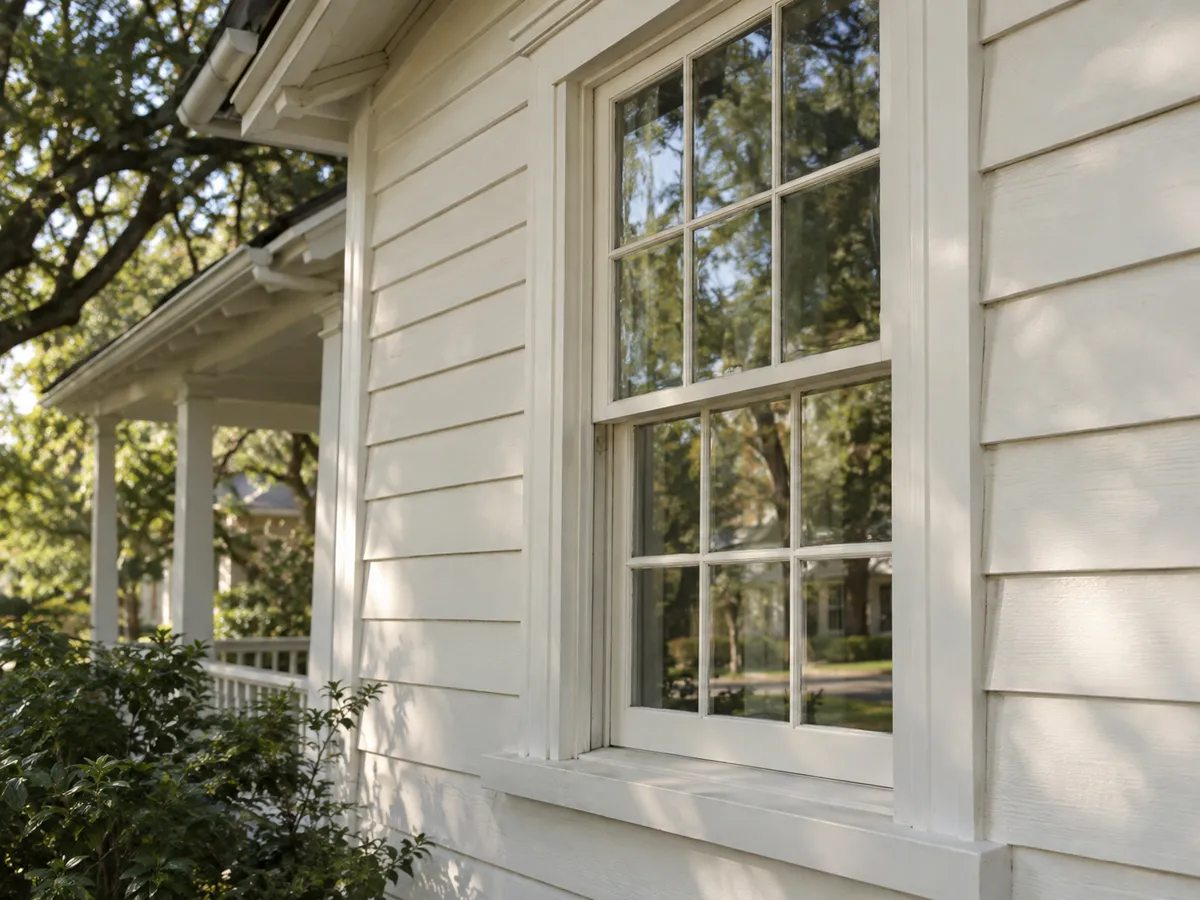
Most shingle walls are best finished with a stain, and the choice between semitransparent and solid comes down to whether you want to see the cedar and what is already on the wall. Paint is the right answer when the shingles already carry paint or when you want the strongest protection against water and weather.
A penetrating stain soaks into the wood and forms no surface film, so it cannot blister or peel. It shows the grain and texture, and it is brushed one course at a time, because a brush stroke that runs onto the course above leaves a dark lap mark.
An opaque stain gives more protection from sunlight than a semitransparent one and still shows the texture of a shake. It performs best on rough faces, needs a stain-blocking primer on cedar, and will not hold on a weathered gray surface.
Paint gives shingles the best protection against water and weathering. It goes over a stain-blocking primer with an acrylic latex topcoat, and like solid stain it will not adhere to weathered wood.
Clear film finishes such as urethane varnish, lacquer and shellac are not used outdoors on shingles; they fail in the sun.
Western red cedar and redwood contain water-soluble extractives that can bleed through a light paint or solid stain as brown or tan streaks, so every painted shingle wall starts with a stain-blocking primer. The primer is what keeps a cream or white shingle gable from yellowing in its first wet season.
Fasteners matter as much as primer. Electro-galvanized nails can rust inside a shingle, the paint on the head lets go, and the rust bleeds out through any crack. Replacement shingles here are fastened with hot-dipped galvanized or stainless steel nails, and any rusting head we find is set, spot primed and finished before the wall is coated.
Split, cupped or missing shingles are replaced before the finish, spaced to suit their grain and width, and pre-primed or pre-stained on all faces so the new ones match the old from the first coat.
The process
We look at every shingled wall with you, test how the old finish is holding, and brush samples on a few shingles in the light they actually get.
Split and cupped shingles are pulled and replaced, and rusting nails are dealt with.
The wall is cleaned with a diluted solution at low pressure, nozzle down, and allowed to dry out before any finish.
Painted and solid-stain walls get a stain-blocking primer; semitransparent stain goes straight onto the clean cedar.
Stain or paint is brushed into the butts and across each course, keeping the gaps between shingles clear.
We walk the walls with you and touch up anything on the punch list.
Around Rancho Cucamonga, shingles are more often a gable, a dormer or an accent wall above stucco than the whole skin of a house, and those small areas are exactly the ones that fade first because they face the afternoon sun under the roof. A gable can be stained or painted on its own schedule, without repainting the stucco below.
Association buildings with shingled gables across a whole community can be scoped building by building, with samples approved by the board and the architectural committee before the first building is started, and phases scheduled around residents.
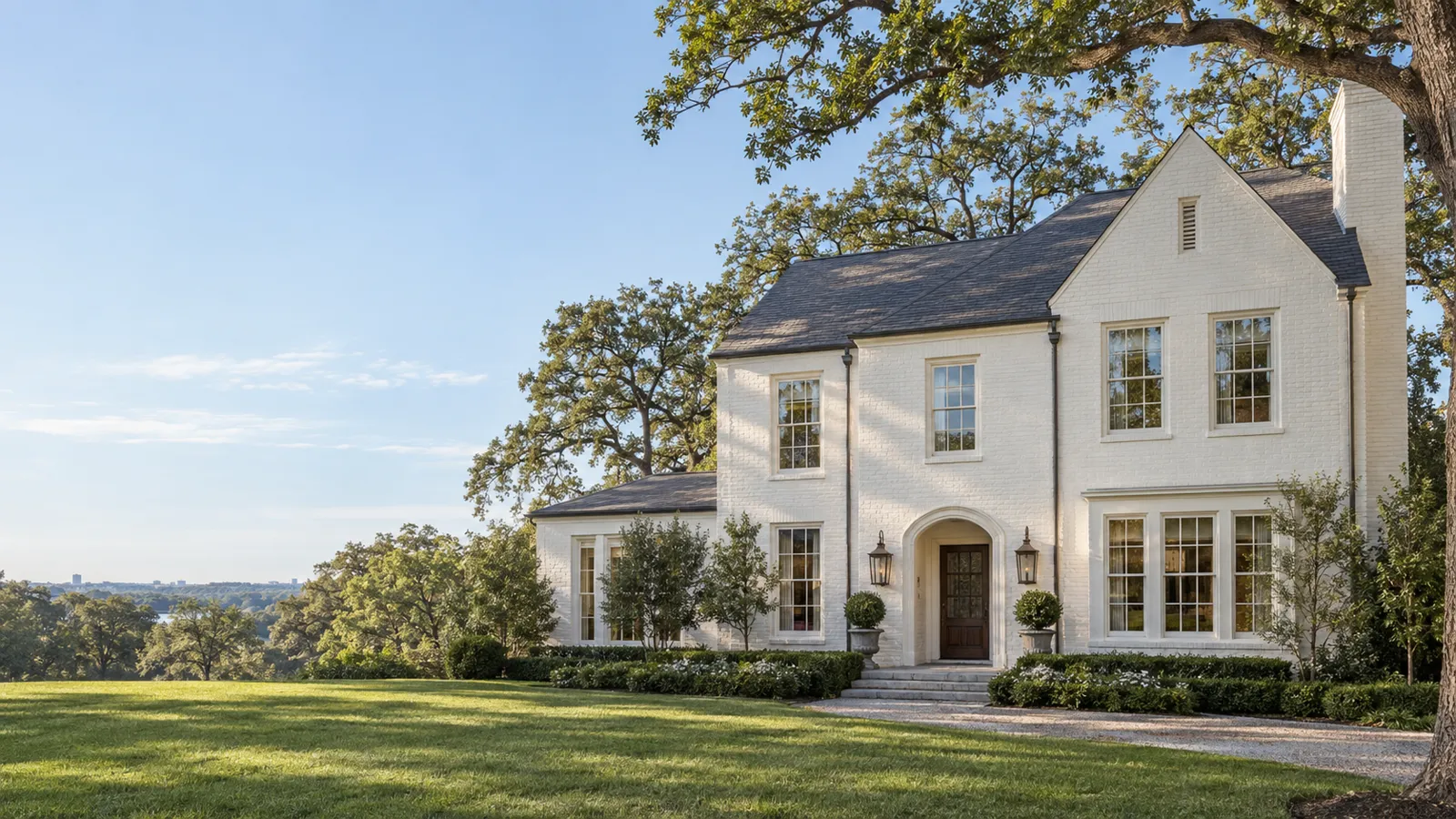
Staining or painting cedar shingle and shake siding is typically estimated at roughly $1.50 to $4 per square foot of wall in published cost guides, with a semitransparent restain on sound shingles at the lower end and a strip, prime and paint at the upper end.
These prices are estimates and are subject to change; the written quote we give you after walking the walls sets the final price. Call to book a free estimate for your shingle siding.
Questions
Stain is usually the better choice on shingles and shakes, because a semitransparent stain forms no film and cannot peel. Paint makes sense when the shingles already carry paint or you want the strongest weather protection, and it always goes over a stain-blocking primer.
It is typically estimated at roughly $1.50 to $4 per square foot of wall, depending on the finish, the height and how many shingles need replacing. The final price comes from the written quote we give you after the walk.
Yes, if the stain is sound and the wood underneath has not weathered gray. The wall is cleaned, primed with a stain-blocking primer and painted; a weathered surface has to be taken back first.
High pressure can tear the surface and drive water up under the courses. We clean with diluted solutions at low pressure, nozzle pointed down, and save heavier washing for stripping a failed finish.
That is usually cedar extractive bleed or rust from nail heads. Extractives are blocked with a stain-blocking primer, and rusting nails are set, spot primed and replaced with corrosion-resistant ones where needed.
No. Shingles and shakes need their gaps to swell and shrink, and filling them makes the wall buckle. We brush the finish so the gaps stay clear.
No. This service is for cedar shingles and shakes on walls, gables and accents; a roof is a roofer's job.
Yes. Gables fade first, so staining or painting them on their own is common, and we match or change the color to suit the stucco below.
Homeowners get a free on-site estimate. Boards, managers and contractors can send a scope for a bid.
Licensed, insured and bonded · License #585047. Calls only, we do not receive text messages.