Dock and man doors
Hollow metal doors and frames rust first at the bottom edge and around hardware. Rust is sanded to sound metal and spot-primed before the full door is coated.

Rancho Cucamonga Elite Painting is San Bernardino County's specialist in warehouse painting in Rancho Cucamonga, CA, specializing in tilt-up concrete wall coatings, steel door and canopy painting, and railing and bollard repaints. We offer dock-side touch-up painting and full repaints of distribution buildings.
Get a free painting estimate
Or call (909) 922-1329. Calls only, we do not receive text messages.
Our team provides boom lift access planned around trailer moves, delivering a coating matched to concrete or steel, a discipline we apply on both residential and commercial projects and at its largest on industrial walls. We test adhesion on a small patch of the existing coating and submit the product data for each system before any lift is delivered to site.
From spot-priming rusted door frames to a full repaint of every tilt-up elevation, our team handles every detail. Serving Rancho Cucamonga, Ontario, Fontana and Rialto, we schedule each wall around your dock doors, yard traffic and shift changes.
Why Rancho Cucamonga Elite Painting
No salesperson hands you to a stranger. The person who measures the job answers for it.
Most distribution buildings along the Rancho Cucamonga, Ontario and Fontana corridor are tilt-up concrete, and repainting one is a concrete coating job, not a stucco job. The panels were cast flat on the building's own floor slab and lifted upright by crane, and they take paints and stains well once the surface is ready for them.
Three things about that substrate shape the scope:
Sun is the other constant. Rancho Cucamonga averages 287 sunny days a year, and a south or west elevation takes that exposure on flat concrete with no eaves to shade it, so the product data is checked for exterior masonry use before anything is specified.
Exterior steel on an industrial building falls under its own coating rules, and each steel item is scoped separately from the walls. South Coast air district Rule 1113 counts exterior exposure of metal structures among the conditions that industrial maintenance coatings are made for.
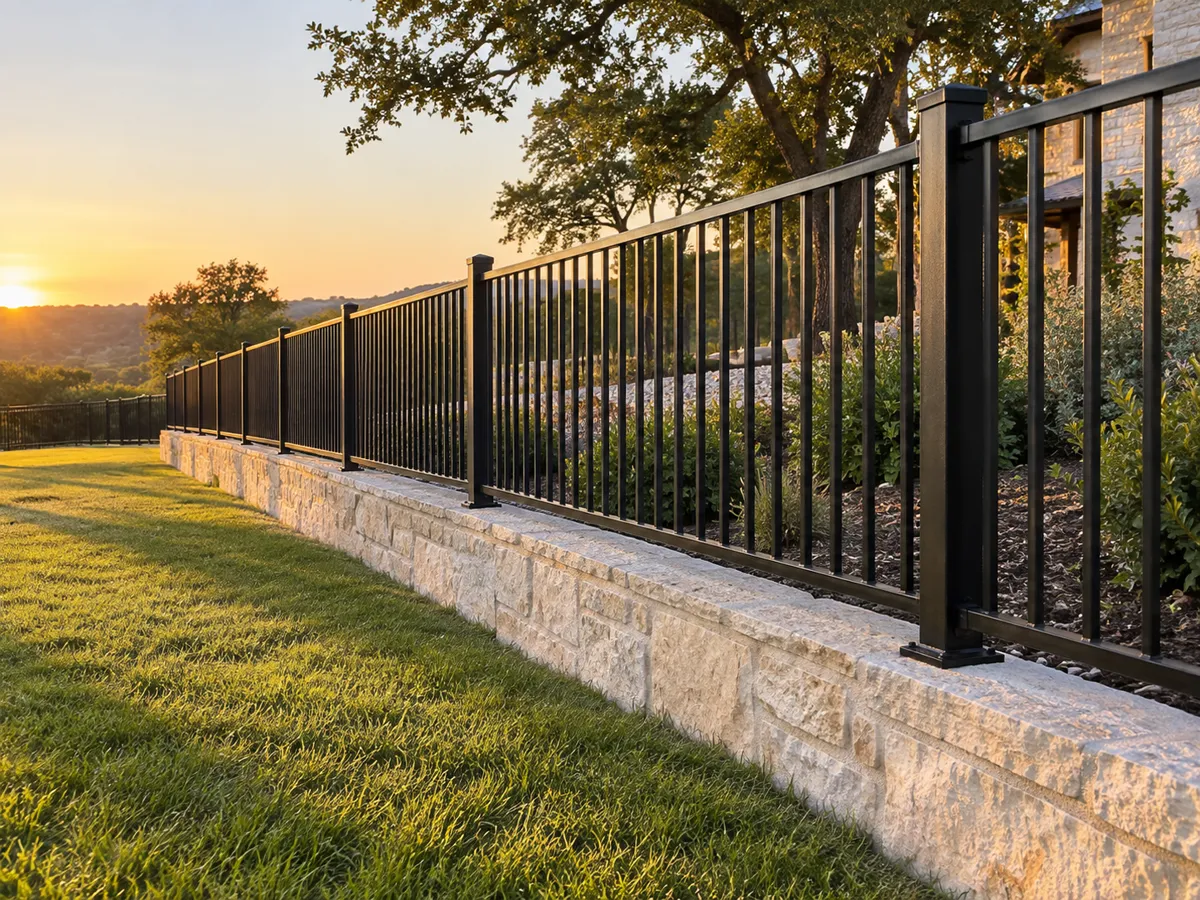
Hollow metal doors and frames rust first at the bottom edge and around hardware. Rust is sanded to sound metal and spot-primed before the full door is coated.
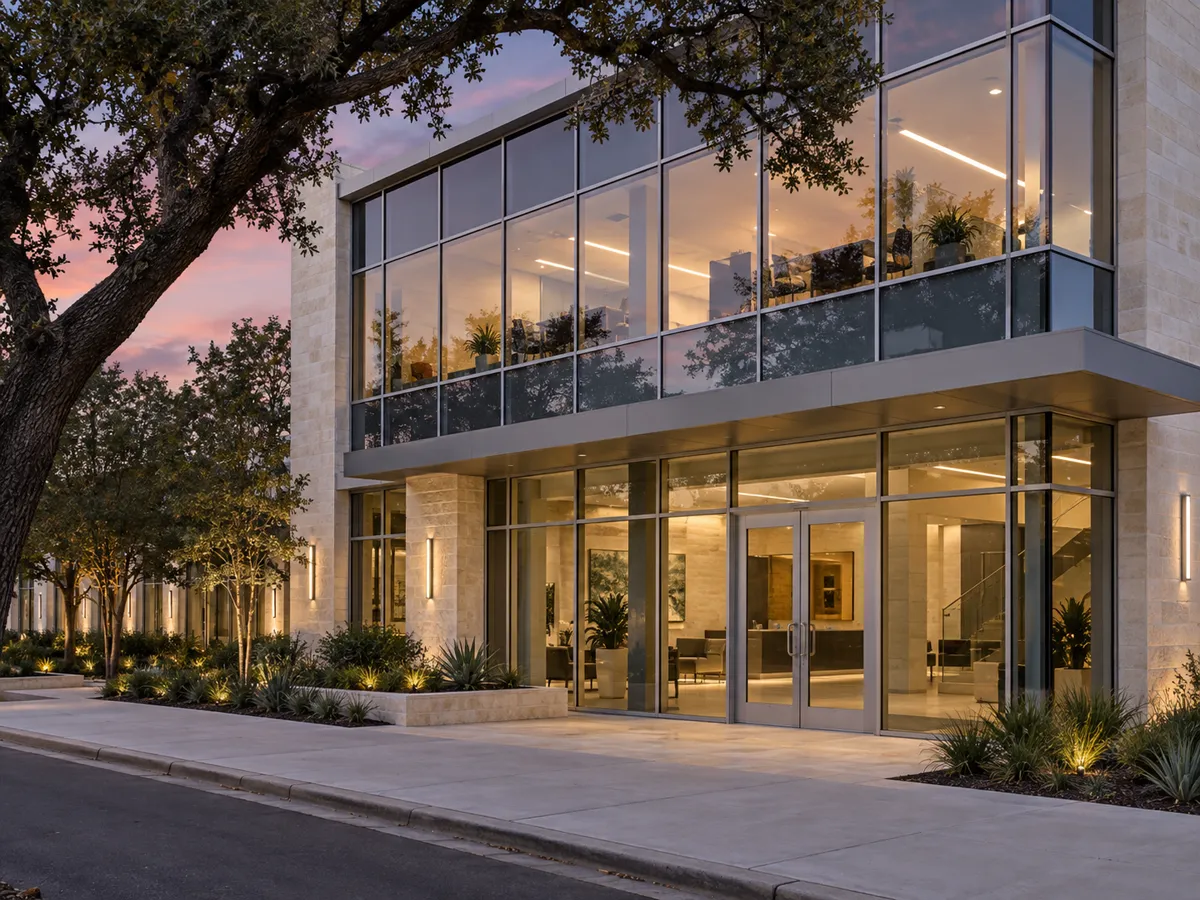
Steel canopies over entries and office fronts are painted from a lift, with their underside and gutters included on the scope where the owner wants them.
Exterior stairs and rails at the office end take a rust preventative coating, a category Rule 1113 reserves for metal surfaces, before the finish.
Bollards take repeated impacts from trucks and forklifts, so they are repainted in safety colors on their own schedule rather than waiting for the next full repaint. Galvanized steel needs its own preparation. The zinc layer protects the steel underneath, and the American Galvanizers Association treats surface preparation, such as light blast cleaning and compatible primers, as the step that decides whether paint holds on it.
A distribution building is painted from boom lifts and scissor lifts while it keeps shipping, so the lift plan and the dock plan are the same plan. Each elevation is scheduled against which doors can close and when.
Dock levelers, bumpers and trailer restraints stay in service. We mask and paint around them, and any repair to dock equipment itself stays with your dock contractor.
A coating that works on a house is chosen for wood trim and stucco on a two-story home; an industrial wall needs a system matched to concrete panels, exterior steel and the abrasion around a truck court. Picking the category first is what keeps the rest of the specification honest.
The process
Every elevation, dock door, canopy and bollard is walked and logged, along with truck routes, fire lanes and where lifts can stand.
A tape test on the existing coating decides the prep, and product data for the concrete and steel systems goes in for approval.
Walls are pressure washed, salts and residue removed, and rusted steel is sanded and spot-primed.
One side of the building is finished before the lifts move, so no elevation is left half done over a weekend.
The facility manager walks each elevation with our crew lead, and the closeout lists every product and color used on the building.
Warehouse and industrial painting is typically estimated at roughly $40,000 to $300,000 per building, a budgetary range from painting trade data rather than a price for yours. The takeoff comes from your elevations and a walk of the site.
Send the site plan, elevations and your dock schedule for a bid. Every figure here is an estimate, subject to change, and the written bid issued after the site walk sets the final price.

Questions
Yes. Dock doors are taken out of service a few at a time, agreed with your yard manager, and the rest keep loading while the crew works that section of wall.
Often, depending on what the adhesion test shows. Bare or chalking concrete and any patched area get a masonry primer; a sound existing coating may only need cleaning before the finish coats.
Yes, with the preparation galvanizing needs. The zinc surface is cleaned and prepared and a compatible primer is used, because ordinary paint applied straight to galvanized steel is where peeling starts.
Usually efflorescence, salts carried out of the concrete by moisture. It is brushed and washed off before coating, and the source of the water is flagged for the owner if it keeps returning.
Yes. Lift rental and delivery are carried in the bid, sized to your wall height and the obstacles in front of each elevation.
Yes. Colors are drawn down and applied as a mockup on one panel for approval, so the owner or tenant sees them on concrete before the whole building is committed.
Yes, when the racking and operations allow access. Interior work is scoped separately from the exterior, with products chosen for overspray control above stored goods.
Yes. Ontario, Fontana and Rialto sit on the same logistics corridor, and a building there is bid the same way from its elevations and a site walk.
It is written on the bid after the site walk, working back from your peak shipping periods so the busiest dock walls are painted when the yard is quietest.
Homeowners get a free on-site estimate. Boards, managers and contractors can send a scope for a bid.
Licensed, insured and bonded · License #585047. Calls only, we do not receive text messages.